 Daily Pet Care Hub
Pembroke Welsh Corgi Breed Guide
By Pet Mama · Published 2025-09-20 · Updated 2026-08-31 · 3 min read
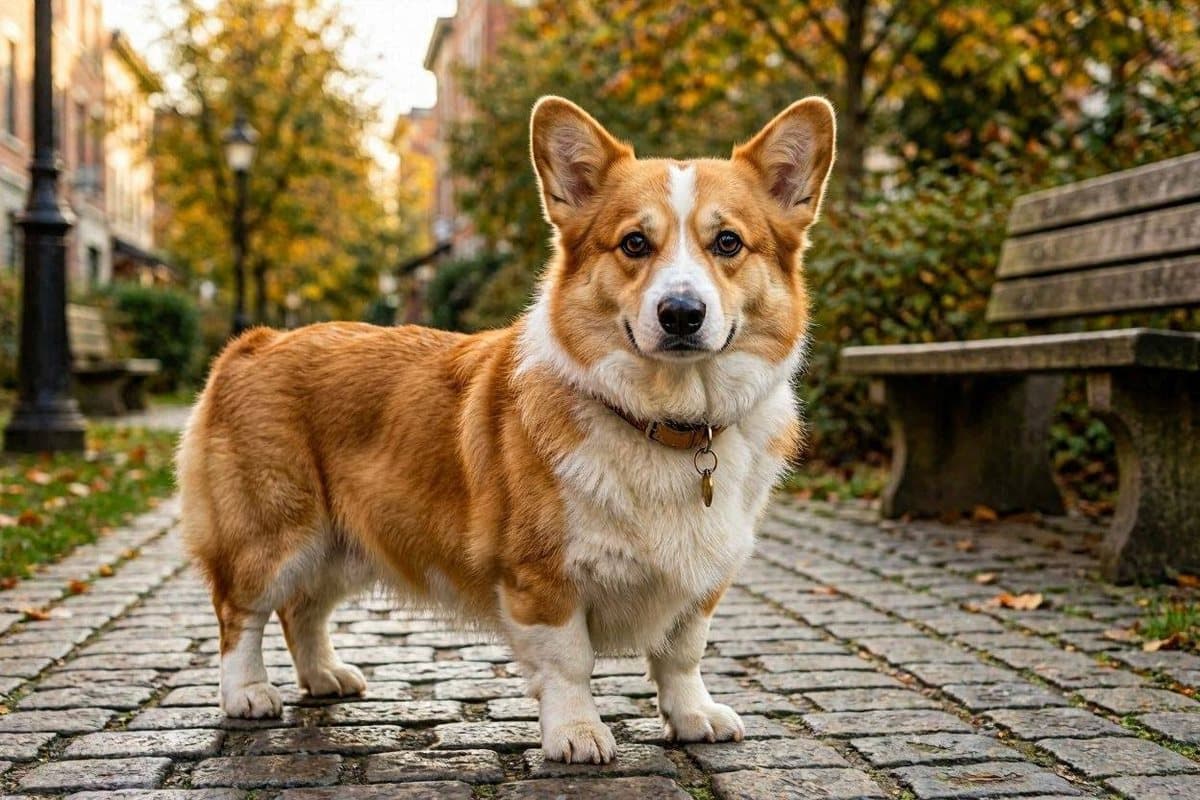
Pembroke Welsh Corgi at a glance
- Species
- Dog
- Size
- Small–Medium (22–30 lbs)
- Energy
- ●●●●●
- Shedding
- ●●●●●
- Grooming needs
- ●●●●●
- Apartment suitability
- ●●●●●
The Pembroke Welsh Corgi is a big herding dog on 10-inch legs — smart, busy, opinionated, and internet-famous for good reason. Its outsized personality and short stature make it one of the more instantly recognizable breeds around, but it's still, at heart, a working herder that expects a job.
Origin & History
Corgis have herded cattle in Wales for centuries, with some accounts tracing their ancestry to dogs brought over by Flemish weavers in the 12th century, while others point to earlier Scandinavian herding stock. Their short stature was a working advantage: low to the ground, Corgis could nip at cattle's heels to move them along while ducking under kicks aimed their way. The Pembroke Welsh Corgi is a distinct breed from the similarly named Cardigan Welsh Corgi, differing in build, tail, and ancestry despite the shared look. The breed's profile rose enormously after Britain's Queen Elizabeth II began keeping Pembroke Corgis in 1933, owning more than 30 over the course of her reign. The American Kennel Club recognized the breed in 1934. Many Pembrokes are born with naturally short or bobbed tails, a trait distinct from the long-tailed Cardigan, and both colors — red, sable, fawn, and black-and-tan, typically with white markings — are considered equally standard.
Temperament
Bright, bold, and deeply engaged with family life. Corgis herd everything — children, other pets, vacuum cleaners — and offer running commentary in a surprisingly big voice. They're affectionate without being clingy and alert without (much) paranoia. Their herding heritage also means they think independently on the job, which translates in a home setting to a dog with real opinions about how the day should go.
Exercise & Mental Needs
Genuinely high: these are working cattle dogs. An hour of daily activity plus real mental work — training games, puzzles, scent work — or they self-employ as furniture renovators and heel-nippers. Herding trials, agility, and advanced obedience are all popular outlets for the breed, since Corgis genuinely enjoy having a task to focus on rather than freeform play alone.
Training Notes
Highly trainable and food-obsessed (watch the portions — the breed gains weight easily, and extra pounds strain that long back). Channel the herding instinct early: teach "leave it" and calm greetings before nipping becomes habit, and never encourage chase games that mimic the behavior you're trying to redirect.
Grooming
Weekly brushing minimum, daily during the twice-yearly coat blowouts. The shedding is not a rumor — Corgis carry a dense double coat built for cold, wet Welsh hillsides. Never shave the double coat, since it regulates temperature in both directions and shaving can disrupt regrowth.
Health Considerations
The long, low build brings back risk (IVDD — same back-safety rules as Dachshunds: ramps, lean weight, no jumping marathons), plus hip dysplasia and degenerative myelopathy in some lines. Eye conditions such as progressive retinal atrophy also occur. Keep them lean above all — weight management does more for a Corgi's spine than almost anything else an owner can control. With good care, Corgis typically live 12 to 13 years. Ramps or steps for furniture and cars, along with avoiding repeated jumping, go a long way toward protecting that long spine over a lifetime.
Living With Kids & Other Pets
Corgis tend to do well with children, though their herding instinct means they may try to "manage" fast-moving kids by nipping at heels — worth addressing early with training. They generally get along with other household pets, especially when raised together. Their sturdy build and high tolerance for activity make them a good match for lively households, provided the herding instinct is redirected early.
Is a Corgi Right for You?
Wonderful for active owners who want a clever, comedic, medium-energy companion and can supply daily jobs — and who own a very good vacuum. Less ideal for households wanting a low-key couch companion or hoping to skip both training and grooming, since a bored, untrained Corgi finds its own — usually noisy — ways to fill the gap.
Frequently Asked Questions
Do Corgis really shed that much?
Yes — constantly, with two seasonal blowouts. Corgi owners describe fur as a condiment. Daily brushing in season is the reality.
Why does my Corgi nip at heels?
Herding instinct — they moved cattle by nipping heels for centuries. Redirect to toys and train an incompatible behavior; never encourage chase games with kids running.
Are Pembroke and Cardigan Welsh Corgis the same breed?
No — they're two distinct, older breeds that happen to look similar. Pembrokes are typically smaller, often born with naturally bobbed or docked tails, and are related to Spitz-type herding dogs, while Cardigans have a long tail and different ancestry.
Why were Corgis associated with the British royal family?
Queen Elizabeth II owned more than 30 Pembroke Welsh Corgis over her reign, starting in 1933, which brought the breed international fame and cemented its status as a beloved royal companion breed.
Related Guides
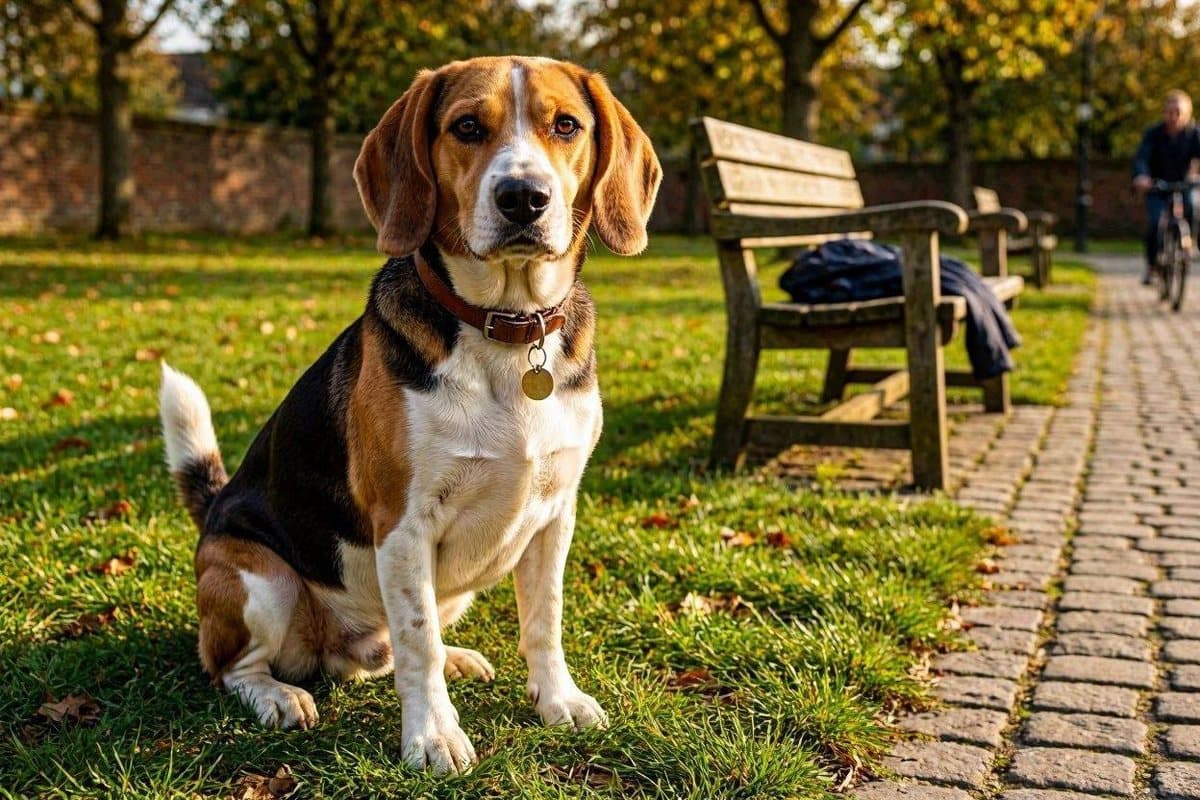
Beagle Breed Guide
Beagle temperament, exercise needs, training challenges, and care tips for this friendly scent hound.
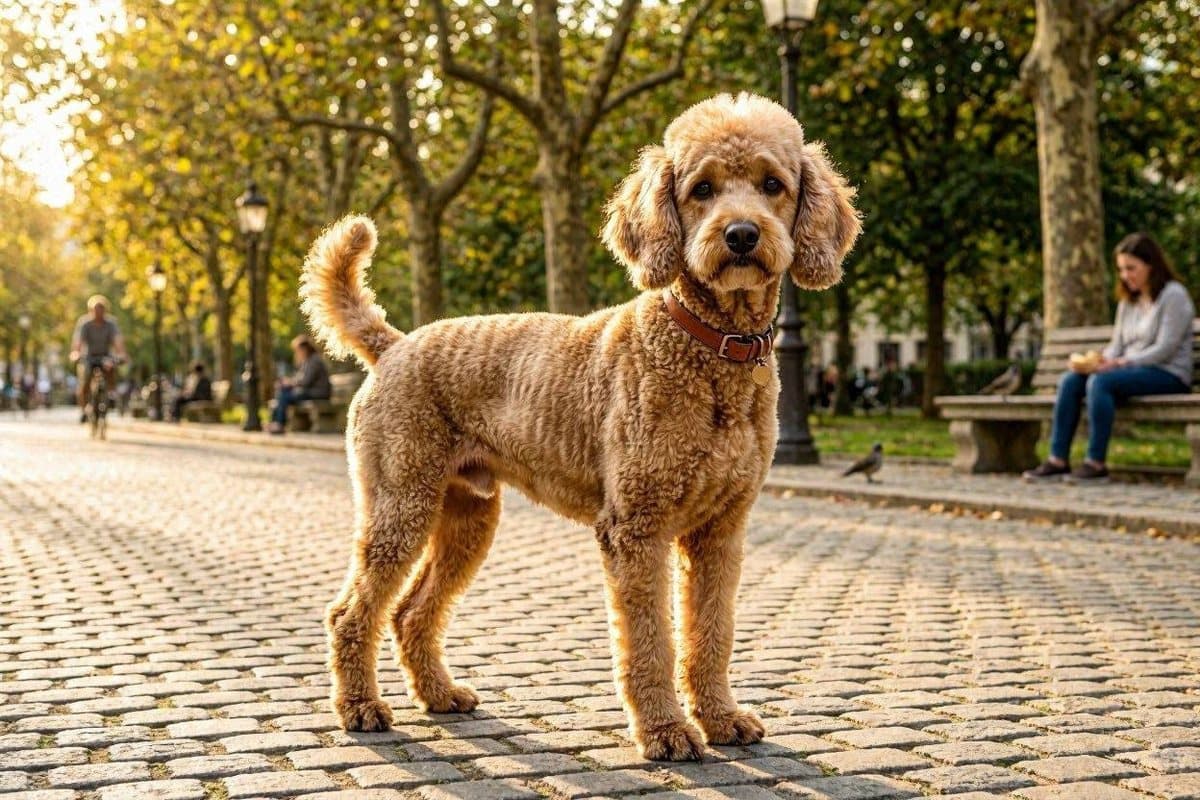
Standard Poodle Breed Guide
Standard Poodle temperament, exercise and grooming needs, and health considerations for this intelligent, versatile breed.

Boxer Breed Guide
Boxer temperament, exercise needs, heat sensitivity, and health considerations for this playful, people-loving breed.
Get one useful pet-care tip a week
No spam, unsubscribe anytime.