 Daily Pet Care Hub
Boxer Breed Guide
By Pet Mama · Published 2026-01-12 · Updated 2026-08-31 · 3 min read
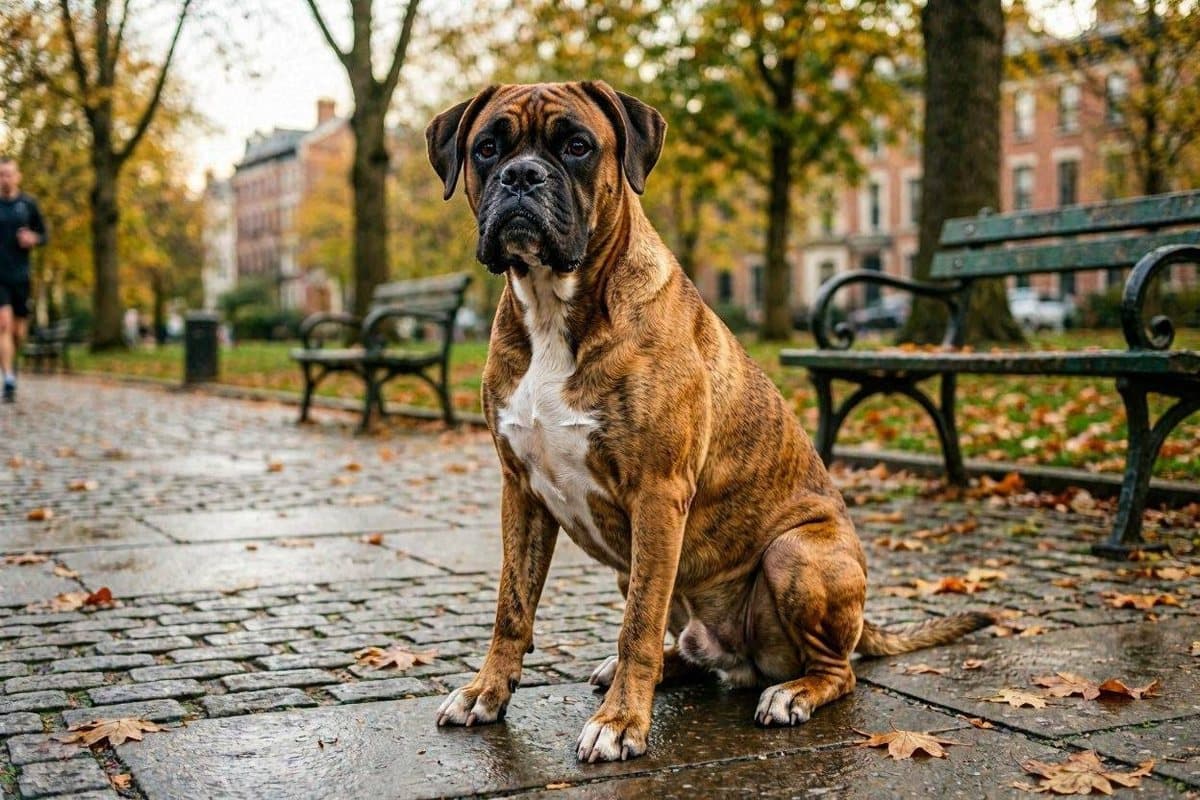
Boxer at a glance
- Species
- Dog
- Size
- Large (50–80 lbs)
- Energy
- ●●●●●
- Shedding
- ●●●●●
- Grooming needs
- ●●●●●
- Apartment suitability
- ●●●●●
The Boxer is joy with a square jaw: a muscular clown that treats every day as the best day ever and every family member as its personal responsibility.
Origin & History
The Boxer was developed in Germany in the late 1800s from the old Bullenbeisser, a powerful bull-baiting breed, crossed with English Bulldog stock. The result was an athletic dog originally used to hunt and hold large game like boar and deer until hunters arrived, then repurposed as a cattle drover and butcher's dog in German cities. Boxers went on to serve widely as military and police dogs through the World Wars — messengers, pack carriers, and guard dogs — which helped introduce the breed to soldiers who brought them home afterward and boosted its popularity across Europe and the U.S. Today the Boxer sits solidly in the AKC's Working Group. Docking the tail and cropping the ears was once standard for the breed, largely to reduce injury risk during working and guard duties; both practices are now optional, restricted, or banned outright in many countries, and a natural-eared, long-tailed Boxer is just as much the breed as the traditional look.
Temperament
Exuberant, affectionate, and patient with children — Boxers are classic family guardians that combine watchfulness with total silliness. The "kidney bean dance" of a happy Boxer greeting you is one of dogdom's great sights. They're physical, bouncy dogs; teaching calm greetings early saves grandmothers and toddlers alike. Boxers bond hard to their families and tend toward genuine wariness of strangers until properly introduced, which makes them capable, instinctive watchdogs without much training. Underneath the goofball energy is a genuinely brave, protective streak — Boxers were used as guard and police dogs long before they became a family favorite, and that instinct hasn't disappeared.
Exercise Needs
High: an hour daily of play, walks, and games — they're sprinters, not marathoners, built for bursts of athletic chaos rather than steady-state endurance. Critically, as a semi-brachycephalic breed with a shortened muzzle, they're heat-sensitive: exercise in cool hours, never in midday warmth, and watch for heavy panting or gum color changes as heat-stress signs.
Training
Smart and willing, with a comedian's attention span. Short, fun, reward-based sessions win; drilling bores them into improvisation. Their long adolescence — Boxers famously stay puppy-brained until three or four years old — means consistency for years, not weeks. Early socialization channels their natural wariness of strangers into good judgment instead of reactivity.
Grooming
Trivial: short coat, weekly once-over, done. They feel cold — thin coat, low body fat — so winter gear is practical, not precious. Check the facial wrinkles occasionally for trapped debris, and keep an eye on nails, which grow quickly on an active dog. Because the coat is so low-maintenance, most of a Boxer's grooming routine is really a health check in disguise — running your hands over the body weekly is also the easiest way to catch new lumps or skin changes early, which matters given the breed's cancer risk.
Health Considerations
The honest list, because this breed carries real hereditary risk:
- Elevated cancer rates, notably mast cell tumors and lymphoma
- Boxer cardiomyopathy (arrhythmogenic right ventricular cardiomyopathy) and aortic/ subaortic stenosis — cardiac screening matters
- Hip dysplasia
- Bloat (gastric dilatation-volvulus) — feed measured meals, avoid vigorous exercise right after eating
- Degenerative myelopathy in some lines
Insurance purchased early is smart money in this breed, before any conditions become pre-existing. Lifespan typically runs 10–12 years.
Living With Kids & Other Pets
Boxers are famously good with children — patient, playful, and protective, often described as a nanny-type dog. They can do well with other dogs, especially raised together, though same-sex aggression shows up in some lines. Their size and enthusiasm mean small pets like cats or small dogs need careful, supervised introductions.
Is a Boxer Right for You?
For families wanting an affectionate, protective, hilarious athlete and willing to exercise it daily — the Boxer repays with total devotion. Dignity-seekers should look elsewhere.
Frequently Asked Questions
Why are they called Boxers?
Watch one play: they stand on hind legs and spar with their front paws like prizefighters. The name wrote itself.
When do Boxers calm down?
The breed famously stays puppy-brained until three or four years old — longer than almost any other breed. Sign up for the whole enthusiastic ride.
Related Guides
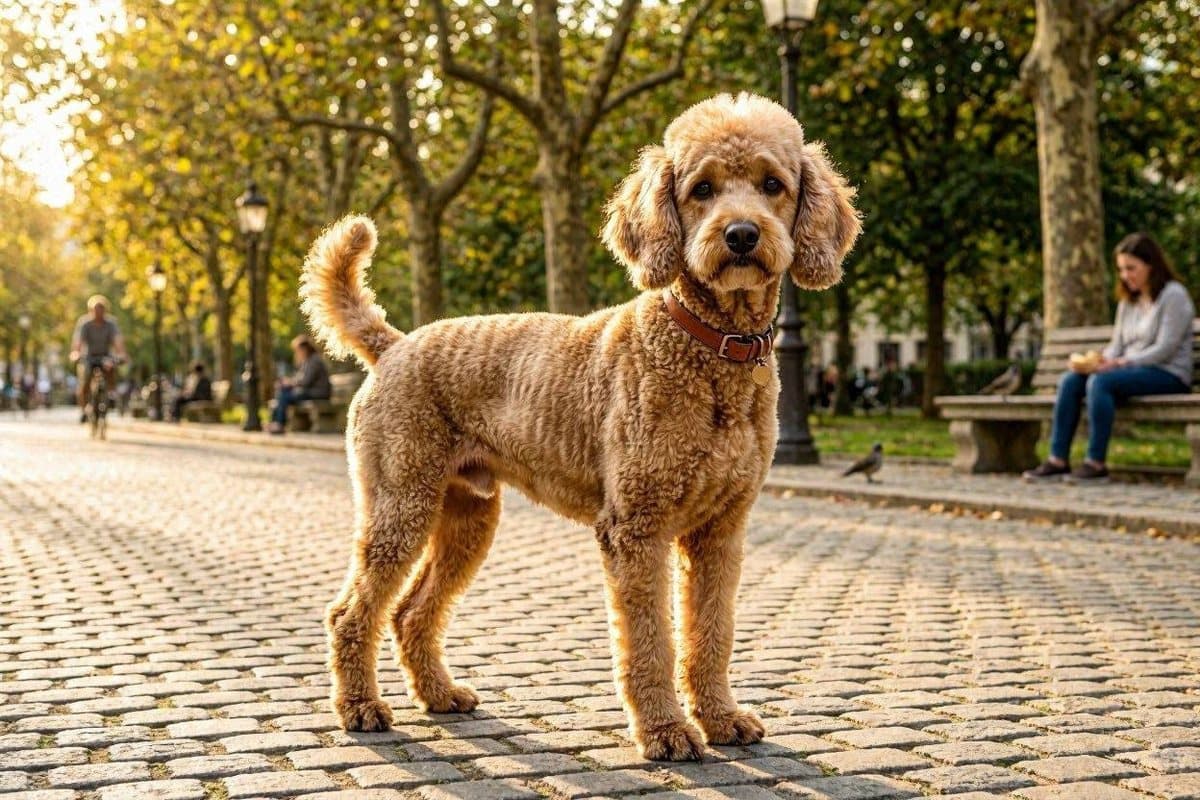
Standard Poodle Breed Guide
Standard Poodle temperament, exercise and grooming needs, and health considerations for this intelligent, versatile breed.
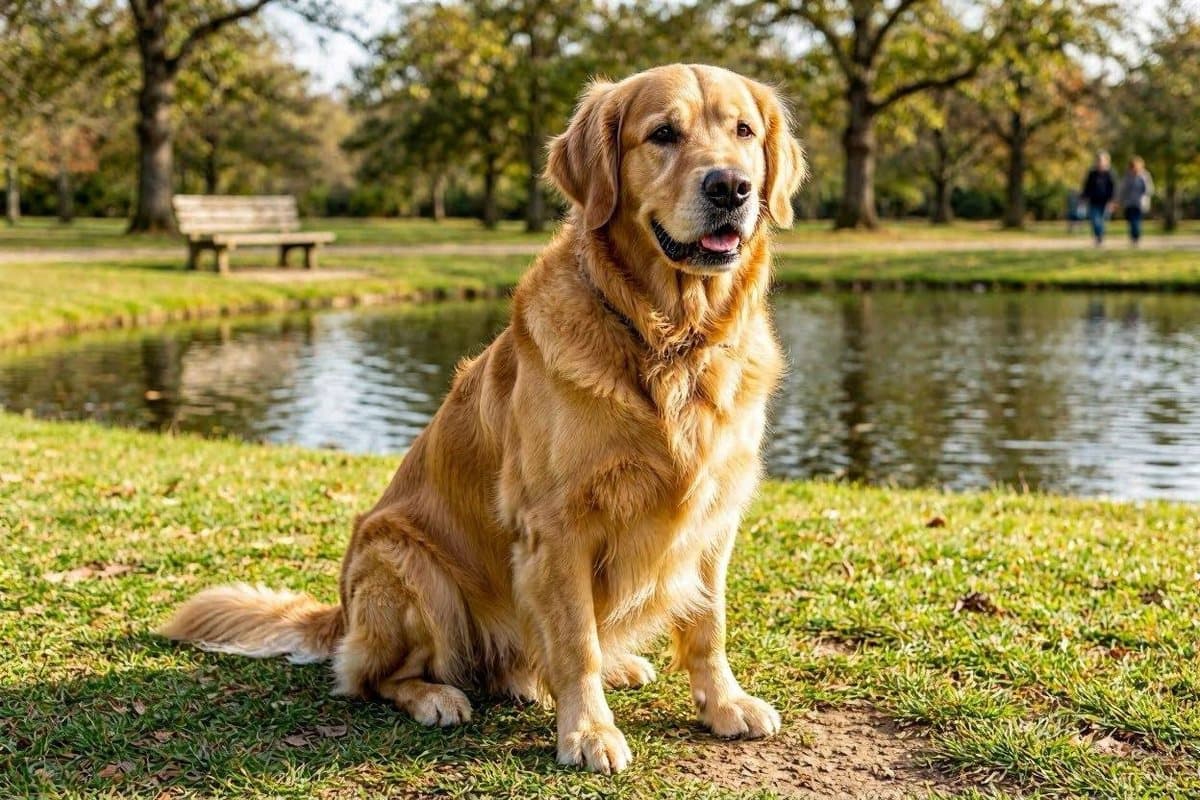
Golden Retriever Breed Guide
Golden Retriever temperament, exercise and grooming needs, health considerations, and why they remain a top family breed.
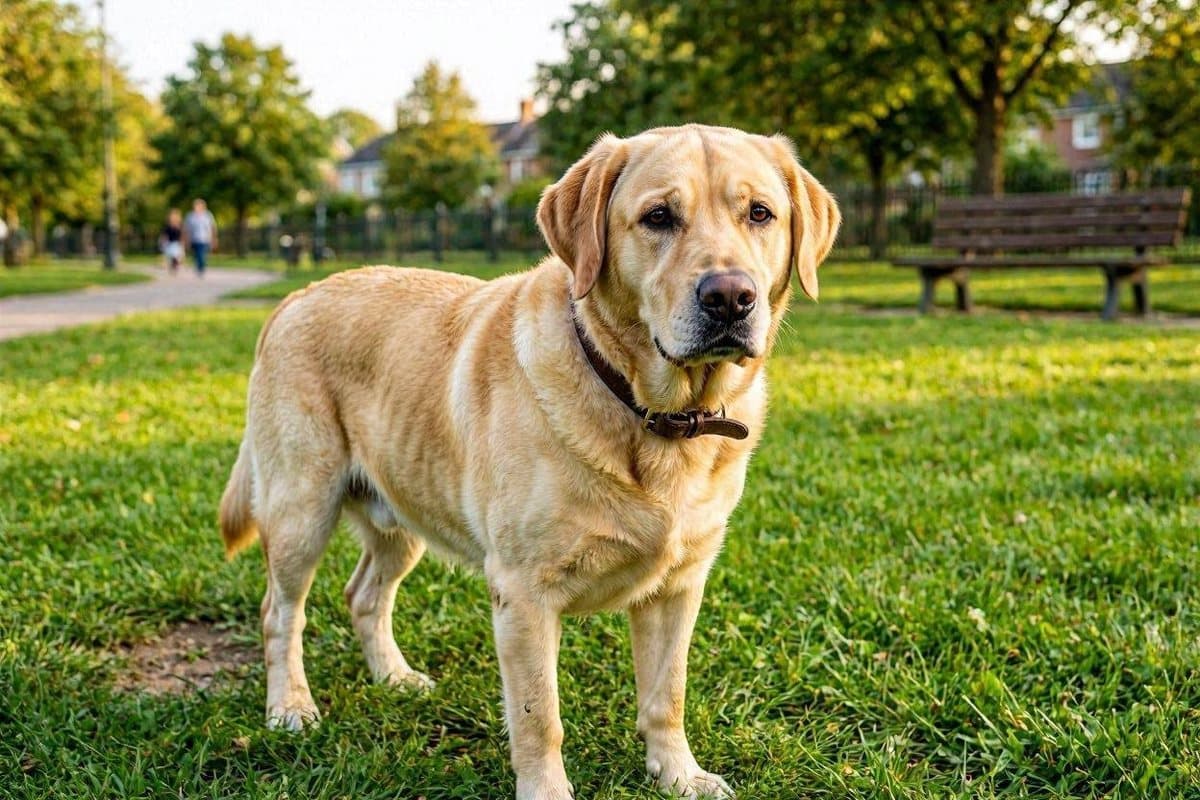
Labrador Retriever Breed Guide
Labrador Retriever temperament, exercise needs, grooming, health considerations, and whether a Lab fits your lifestyle.
Get one useful pet-care tip a week
No spam, unsubscribe anytime.