 Daily Pet Care Hub
Shih Tzu Breed Guide
By Pet Mama · Published 2025-02-23 · Updated 2026-08-31 · 3 min read

Shih Tzu at a glance
- Species
- Dog
- Size
- Toy (9–16 lbs)
- Energy
- ●●●●●
- Shedding
- ●●●●●
- Grooming needs
- ●●●●●
- Apartment suitability
- ●●●●●
Bred as palace companions in imperial China, the Shih Tzu still takes its lap-dog duties seriously. Underneath the flowing coat is a sturdy, cheerful little dog with surprisingly few demands beyond regular grooming and a warm lap to sit on.
Origin & History
The Shih Tzu's exact history is debated, but most accounts trace the breed to Tibetan dogs gifted to the Chinese imperial court, later refined by palace breeders — possibly crossed with Pekingese and Lhasa Apso lines — into the dog we recognize today. Its name, meaning "lion dog" in Chinese, nods to the mythical lion figures of Buddhist tradition. The breed nearly disappeared after the fall of China's Qing dynasty in the early 20th century; the modern population descends from a small number of dogs that had already reached Europe. The American Kennel Club recognized the Shih Tzu in 1969, and it has remained a popular companion breed ever since. The breed comes in a wide range of coat colors and combinations, all equally authentic — color is a matter of preference rather than an indicator of quality or health.
Temperament
Affectionate, outgoing, and adaptable. Shih Tzus like everyone — family, strangers, other dogs — and are content wherever their people are. They're alert enough to announce visitors but rarely yappy, and their easygoing nature makes them a common recommendation for first-time small-dog owners. Unlike some toy breeds, Shih Tzus were bred purely for companionship rather than guarding or hunting, and it shows in how little drive they have to bark, chase, or patrol territory.
Exercise Needs
Low: daily short walks and indoor play. Like other flat-faced breeds, they're heat-sensitive, so keep summer outings brief and early, and watch closely for heavy panting or fatigue as a signal to head indoors. A short walk around the block plus some indoor fetch or tug is enough to keep most Shih Tzus fit — this breed was never built for marathons, and its flattened face makes strenuous exercise genuinely uncomfortable.
Grooming
The long double coat is beautiful and demanding: daily brushing in full coat, or a "puppy cut" every 4–6 weeks to make life easier. Clean the face and eyes daily — tear staining is common — and keep the topknot or trim hair away from the eyes so it doesn't cause irritation. Regular bathing, ear cleaning, and nail trims round out a grooming routine that many owners choose to outsource to a professional groomer.
Training Notes
Sweet but a touch stubborn. Short, treat-heavy sessions work; harsh corrections backfire and tend to shut a Shih Tzu down rather than motivate it. House training takes patience — follow a strict potty schedule and expect it to take longer than with larger breeds, since small bladders mean more frequent trips outside.
Health Considerations
Watch for eye issues (their large, prominent eyes are prone to injury and ulcers), breathing sensitivity as a brachycephalic breed, dental crowding from a shortened jaw (prioritize dental care), and luxating patellas. Hip dysplasia and kidney conditions occur in some lines as well, so a veterinary checkup soon after adoption is worthwhile. With good care, Shih Tzus commonly live 10 to 16 years. Keeping a Shih Tzu lean also helps protect the knees and spine, and their small size means even a couple of extra pounds represents a meaningful percentage of their body weight.
Living With Kids & Other Pets
Shih Tzus generally do well in multi-pet, multi-person households and tend to be tolerant of handling, though their prominent eyes make rough play with very young children something to supervise closely.
Is a Shih Tzu Right for You?
A superb match for apartment dwellers, seniors, and families wanting a gentle lap companion — if you'll commit to the grooming routine. Skip it if you're not prepared for regular brushing or professional grooming appointments, since a neglected coat mats quickly and becomes uncomfortable for the dog.
Frequently Asked Questions
Are Shih Tzus good for allergy sufferers?
Their hair-like, low-shedding coat drops less dander than most breeds, though no dog is fully hypoallergenic.
Are Shih Tzus hard to house train?
They can be slower than average — small bladders and a stubborn streak. Consistency and frequent breaks win; see our house training schedule.
Where does the Shih Tzu breed come from?
China's imperial court, where it was bred as a palace companion, likely from earlier Tibetan dogs gifted to Chinese emperors. The name means 'lion dog,' echoing the lion imagery of Buddhist tradition.
How long do Shih Tzus typically live?
Around 10 to 16 years, making them one of the longer-lived small breeds when weight, teeth, and eyes are well managed.
Related Guides
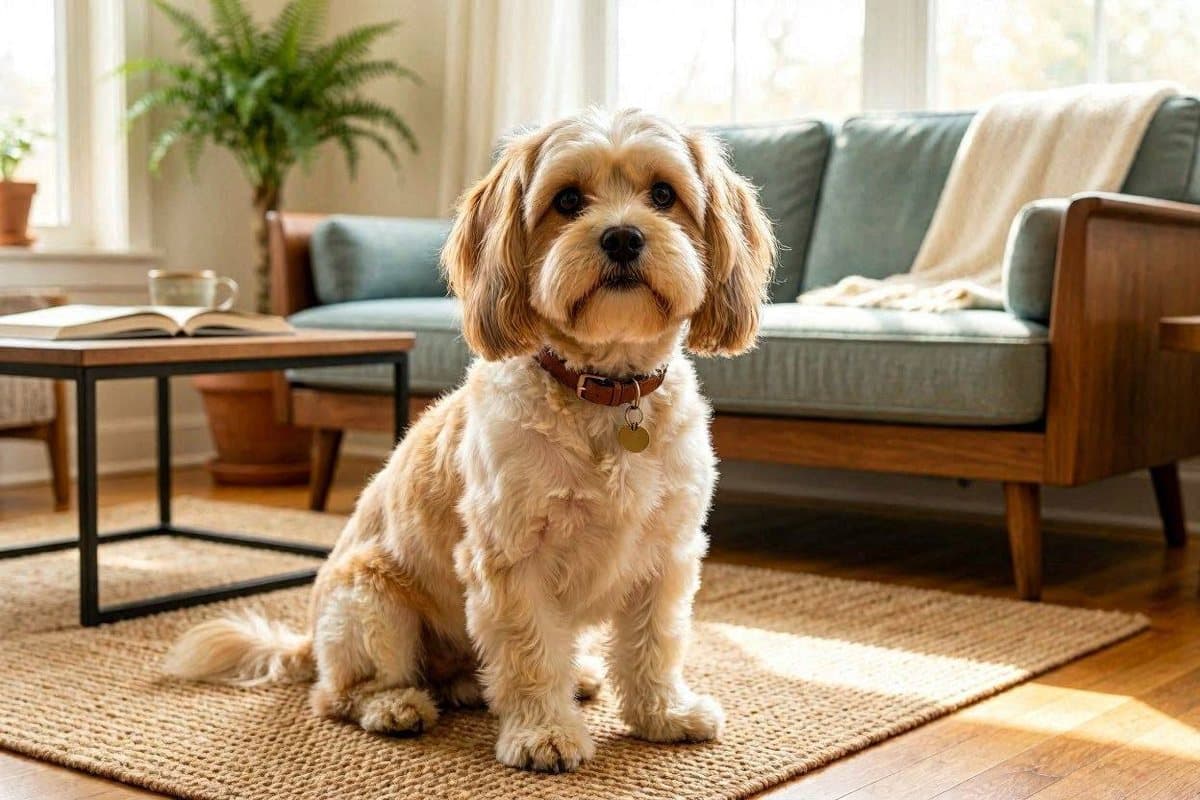
Havanese Breed Guide
Havanese temperament, grooming needs, trainability, and why Cuba's national dog excels in apartments and with first-time owners.

Cavapoo Breed Guide
Cavapoo (Cavalier × Poodle) temperament, sizes, grooming needs, and health considerations for this gentle, popular designer mix.
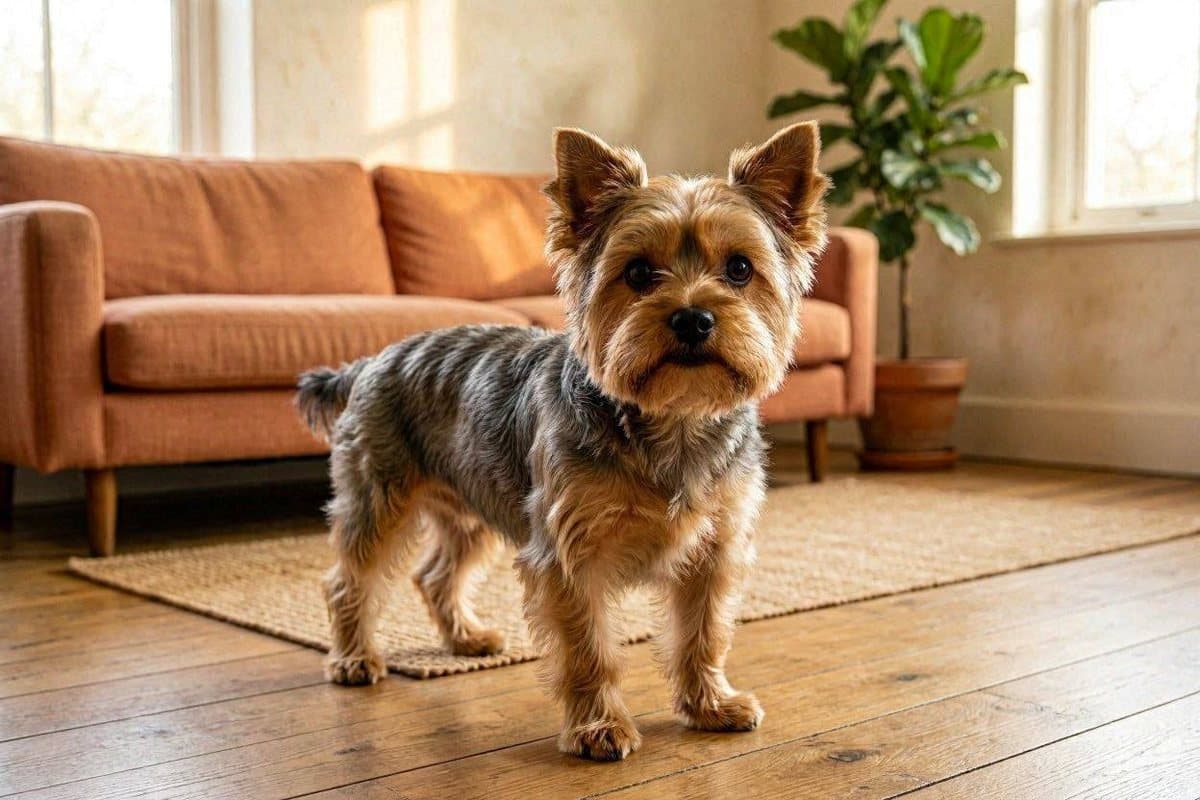
Yorkshire Terrier Breed Guide
Yorkshire Terrier temperament, grooming needs, training tips, and health considerations for this popular toy terrier.
Get one useful pet-care tip a week
No spam, unsubscribe anytime.