 Daily Pet Care Hub
Havanese Breed Guide
By Pet Mama · Published 2026-01-23 · Updated 2026-08-31 · 4 min read

Havanese at a glance
- Species
- Dog
- Size
- Small (7–13 lbs)
- Energy
- ●●●●●
- Shedding
- ●●●●●
- Grooming needs
- ●●●●●
- Apartment suitability
- ●●●●●
The Havanese — Cuba's national dog — is a silk-coated charmer engineered over centuries for exactly one job: being delightful company. It is very good at its job.
Origin & History
The Havanese descends from the Bichon family of companion dogs, brought to Cuba by Spanish and Italian colonists in the 1500s and 1600s. Cuban aristocracy shaped the breed over the following centuries into the "Habanero silk dog" we know today — a lapdog bred purely for companionship, never for hunting or herding work. The breed nearly vanished after the Cuban revolution, when many aristocratic families fled the island; a small number of dogs came to the United States with immigrant families, and dedicated breeders rebuilt the entire modern population from just a handful of survivors. The AKC recognized the Havanese in 1996, and it has climbed steadily in popularity since. The coat comes in nearly every color and pattern imaginable — cream, gold, black, chocolate, and parti-color combinations — more variety than most breed standards allow, a reminder of how many generations of casual companion breeding shaped this dog before formal standards existed.
Temperament
Cheerful, gentle, and people-devoted without the fragility or yappiness of many toy breeds. Havanese are sturdy little clowns: good with children, sociable with strangers and pets, and famous for the springy "Havanese gait" and near-endless trick ability. They read human emotion closely and often mirror the mood of the room — a good trait in a calm household, a challenge in a chaotic one. Most also bark to announce visitors, making them decent alert dogs despite their size, though nonstop barking is usually a sign of boredom or under-socialization rather than breed destiny.
The Companion Clause
Like the Cavapoo, Havanese were bred to be with people — long solo days are genuinely hard on them. Build alone-time tolerance early with short, gradually lengthening absences, and honestly assess your schedule before bringing one home. A Havanese left alone for nine-hour workdays, week after week, is a setup for anxiety-driven barking and chewing.
Exercise & Training Needs
Modest physically: daily walks plus lively indoor play sessions cover it. They adapt beautifully to apartment life and make enthusiastic trick-training students — clicker work is practically their favorite sport, a direct legacy of the breed's long history as a circus and trick dog. Mental stimulation matters as much as physical exercise here; a bored Havanese invents its own entertainment, which usually means your shoes. Their small size and eagerness to learn also make them surprisingly capable at dog sports scaled for toy breeds, including rally obedience and small-dog agility classes.
Grooming & Coat Care
The long, silky double coat needs brushing every other day to stay mat-free, or a shorter puppy cut every 6–8 weeks for easier upkeep. Either way, it sheds very little — a top allergy-friendly choice alongside the Shih Tzu and Yorkie. Check ears weekly for wax buildup, watch for tear staining around the eyes, and start nail trims early since toy breeds tend to resist them. A bath every three to four weeks, paired with a light leave-in conditioner, keeps the silky texture manageable between brushings and cuts down on tangles.
Health & Lifespan
A relatively healthy toy breed overall. Watch for:
- Patellar luxation — a loose kneecap common in small breeds
- Hip dysplasia — yes, even in an 11-pound dog
- Legg-Calvé-Perthes disease — a hip joint condition seen in young toy breeds
- Cataracts and other eye conditions
- Congenital deafness, seen in some lines
Buying from a breeder who health-screens parent dogs reduces the odds significantly. Lifespan commonly runs 14–16 years, among the longer-lived dog breeds.
Living With Kids & Other Pets
Havanese generally do very well with children, thanks to a sturdier build than most toy breeds and a genuinely patient temperament — though supervision with very young kids is still wise, as with any small dog. They tend to get along with other dogs and cats, especially with early socialization, and their low prey drive makes multi-pet households easier than with many small breeds.
Is a Havanese Right for You?
For apartment dwellers, families, seniors, and first-timers wanting a merry, trainable, low-shed companion, the Havanese is close to ideal — provided someone's usually home and the brush actually gets used.
Frequently Asked Questions
Are Havanese good first dogs?
One of the best: sturdy for a toy breed, eager to please, low-shedding, and forgiving of beginner mistakes. The grooming commitment is the only real demand.
Can Havanese be left alone during work hours?
This is their weak spot — bred purely for companionship, they're prone to separation anxiety. Gradual alone-time training and midday company make the difference.
Related Guides

Cavapoo Breed Guide
Cavapoo (Cavalier × Poodle) temperament, sizes, grooming needs, and health considerations for this gentle, popular designer mix.
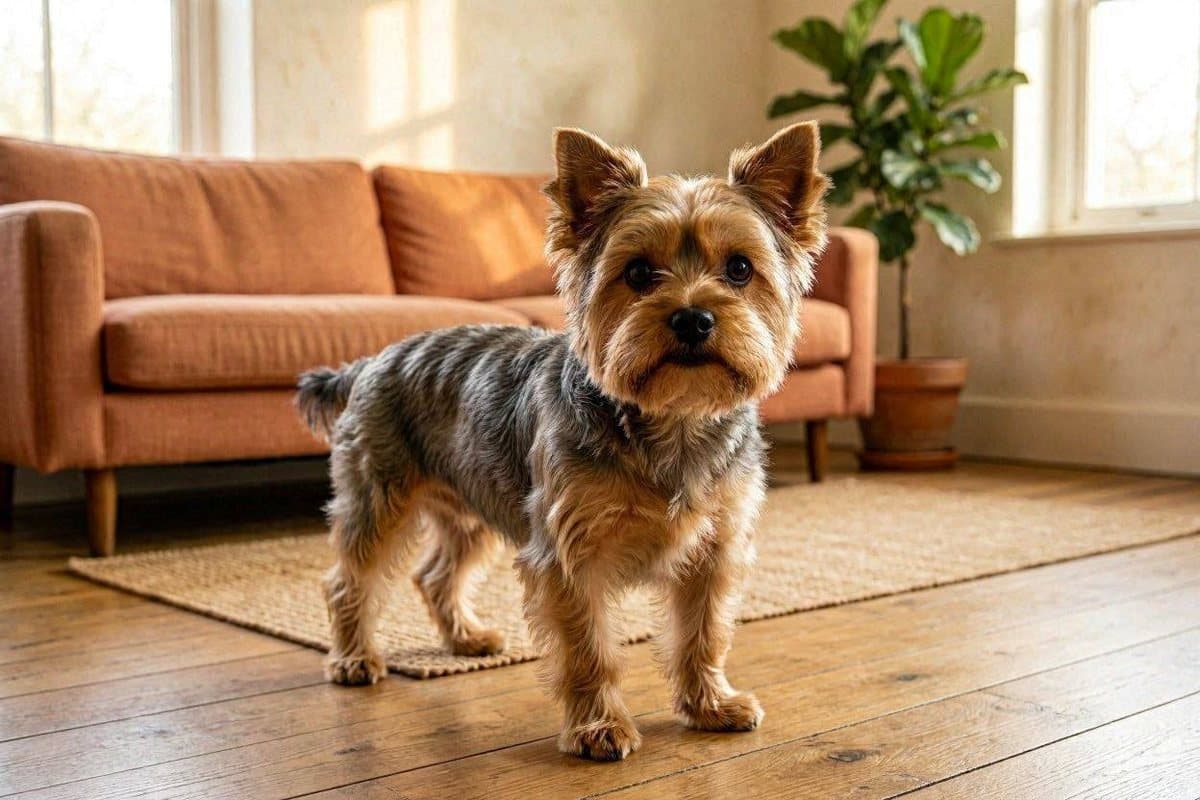
Yorkshire Terrier Breed Guide
Yorkshire Terrier temperament, grooming needs, training tips, and health considerations for this popular toy terrier.

Shih Tzu Breed Guide
Shih Tzu temperament, grooming requirements, exercise needs, and care tips for this affectionate toy breed.
Get one useful pet-care tip a week
No spam, unsubscribe anytime.