 Daily Pet Care Hub
Cavalier King Charles Spaniel Breed Guide
By Pet Mama · Published 2024-09-08 · Updated 2026-08-31 · 4 min read
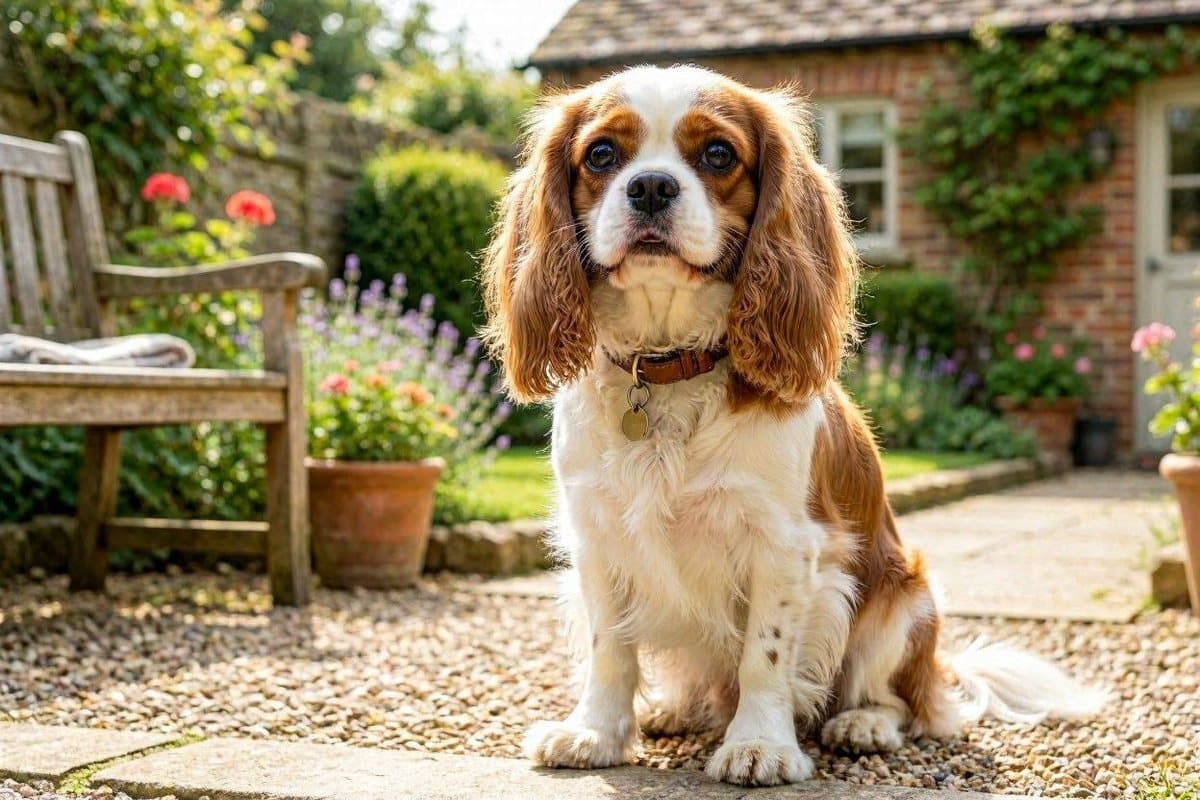
Cavalier King Charles Spaniel at a glance
- Species
- Dog
- Size
- Small (13–18 lbs)
- Energy
- ●●●●●
- Shedding
- ●●●●●
- Grooming needs
- ●●●●●
- Apartment suitability
- ●●●●●
The Cavalier King Charles Spaniel combines the gentleness of a lap dog with just enough playfulness to keep life interesting. Named for the British king who was rarely seen without one underfoot, this toy spaniel has spent centuries doing one job well: being irresistibly good company.
Origin & History
Cavaliers descend from the small spaniels favored by European royalty for centuries, especially King Charles II of England, who reportedly never traveled without several in tow. As breeding trends shifted toward flatter-faced toy spaniels in the 19th century, the original longer-muzzled type nearly disappeared. In the 1920s, an American breeder offered a cash prize for dogs that matched the type shown in old royal portraits, and British breeders revived what we now know as the Cavalier King Charles Spaniel, recognized as a distinct breed in 1945. The breed comes in four recognized coat colors — Blenheim (chestnut and white), Tricolor (black, white, and tan), Black and Tan, and Ruby (solid deep red) — all equally typical of the breed and carrying no difference in temperament or health.
Temperament & Personality
Sweet, affectionate, and famously friendly with children, strangers, and other pets, Cavaliers were bred purely for companionship and it shows in every part of their personality. They rarely meet a stranger they don't like, and their default state is "close to you." That devotion has a flip side: Cavaliers dislike long stretches alone and can develop separation anxiety if left regularly for long workdays without preparation. Many owners describe Cavaliers as "velcro dogs" — perfectly happy to nap through a quiet afternoon as long as they're within sight of their person, which also makes them a popular choice for seniors and calmer households.
Exercise Needs
Moderate, not demanding. A couple of daily walks plus some play in the living room or yard is plenty to keep a Cavalier fit and content. They adapt readily to their owner's activity level — happy to join a longer hike one day and curl up on the couch the next — which is part of why they suit such a wide range of households, from apartments to families with a more active outdoor life. Fetch, gentle games, and short outings satisfy them physically, while a Cavalier's real need is simply being included in whatever the household is doing that day.
Grooming & Coat Care
The silky, feathered coat needs brushing two to three times a week to prevent tangles, especially behind the ears and on the feathered legs and tail. Check and clean the long, low-hanging ears regularly, since reduced airflow makes them prone to wax buildup and infection. Routine nail trims and dental care round out the grooming basics — Cavaliers' small jaws make them prone to dental crowding.
Health & Lifespan
This is the area where prospective owners need to pay close attention. Cavaliers are strongly predisposed to mitral valve disease (MVD), a progressive heart condition that affects a large share of the breed, often starting in middle age. Regular veterinary checkups, including heart auscultation, are essential, and reputable breeders health-test breeding dogs for cardiac soundness. Other issues to watch for include:
- Syringomyelia (SM) — a neurological condition linked to the breed's skull shape
- Hip dysplasia
- Eye conditions such as cataracts and retinal disease
- Ear infections, due to the long, floppy ear shape
With good care, most Cavaliers live 9 to 14 years, though heart disease can shorten that range in affected dogs. Keeping a Cavalier lean is one of the most useful things an owner can control — excess weight adds strain to both the heart and the joints, so measured meals and limited high-calorie treats matter more for this breed than for many others.
Living With Kids & Other Pets
Few breeds are as reliably good with children as the Cavalier — patient, gentle, and rarely possessive over toys or food. They also tend to get along well with other dogs and cats, having been bred for centuries to live in busy, multi-pet households. Early socialization still helps, but Cavaliers generally arrive with an easygoing, sociable temperament already built in.
Is a Cavalier Right for You?
If you want a small dog that's genuinely happy anywhere as long as you're nearby, the Cavalier is hard to beat — for apartments, families, and first-time owners alike. The tradeoffs are real, though: budget for regular cardiac checkups, factor in pet insurance given the breed's known health risks, and avoid leaving one alone for long stretches. In return, you get one of the most consistently affectionate companions in the dog world.
Frequently Asked Questions
Are Cavaliers good for first-time owners?
Yes — they are gentle, eager to please, and adaptable, making them excellent first dogs.
What is mitral valve disease, and how worried should I be?
It's a progressive heart condition that affects a large share of the breed, often starting in middle age. Regular vet checkups with heart auscultation catch it early, and choosing a breeder who health-tests parent dogs lowers the risk.
How much exercise does a Cavalier actually need?
Less than most dogs their size expect. A couple of daily walks plus indoor play is enough — they're happy to match a lazy day or a longer outing depending on what you're doing.
Are Cavaliers hypoallergenic?
No. They have a moderate-shedding silky coat and are not considered hypoallergenic, though regular brushing helps manage loose hair around the home.
Related Guides

Havanese Breed Guide
Havanese temperament, grooming needs, trainability, and why Cuba's national dog excels in apartments and with first-time owners.

Cavapoo Breed Guide
Cavapoo (Cavalier × Poodle) temperament, sizes, grooming needs, and health considerations for this gentle, popular designer mix.

Yorkshire Terrier Breed Guide
Yorkshire Terrier temperament, grooming needs, training tips, and health considerations for this popular toy terrier.
Get one useful pet-care tip a week
No spam, unsubscribe anytime.