 Daily Pet Care Hub
Boston Terrier Breed Guide
By Pet Mama · Published 2025-02-07 · Updated 2026-08-31 · 3 min read
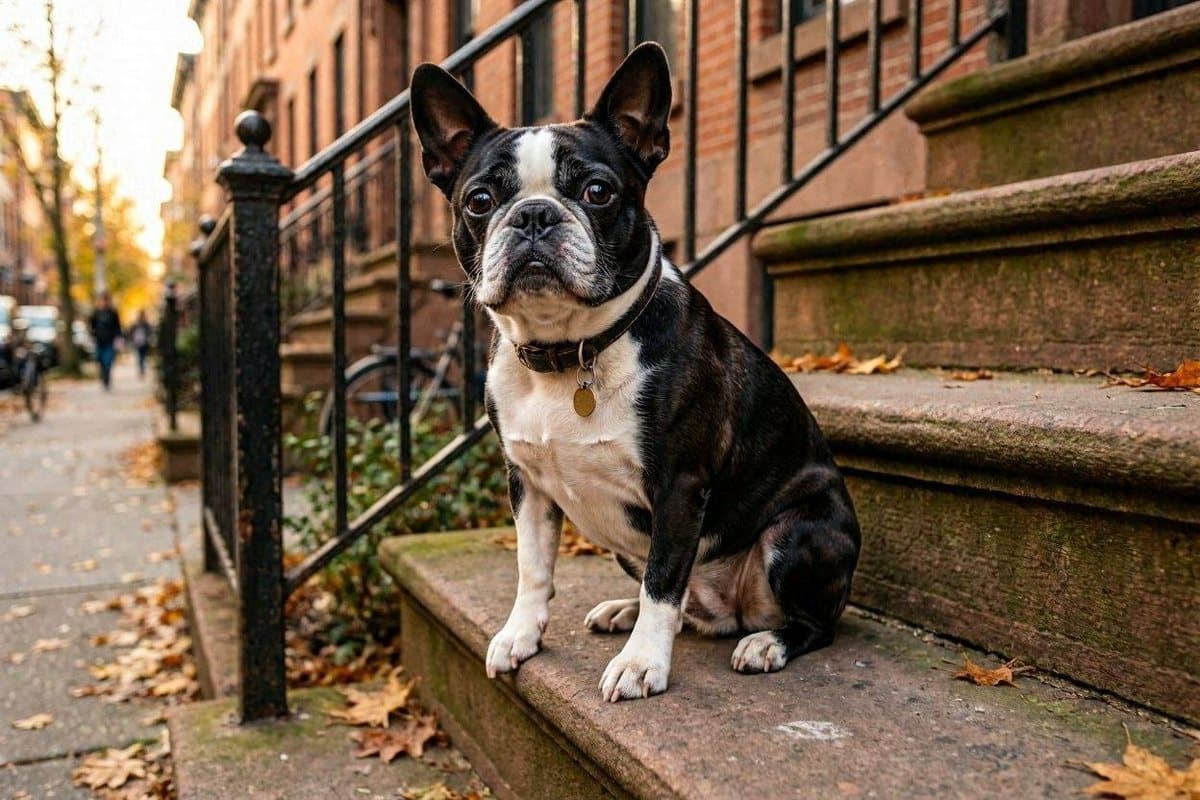
Boston Terrier at a glance
- Species
- Dog
- Size
- Small (12–25 lbs)
- Energy
- ●●●●●
- Shedding
- ●●●●●
- Grooming needs
- ●●●●●
- Apartment suitability
- ●●●●●
The Boston Terrier packs a big, friendly personality into a tidy tuxedo — an American original built for companionship. Despite the terrier name, this is a breed shaped almost entirely for household life rather than hunting or ratting work, and it shows in how easily they fit into apartments, families, and first-time-owner homes alike.
Origin & History
The Boston Terrier is one of the few breeds developed entirely in the United States, originating in Boston, Massachusetts in the late 1800s from a cross between an English Bulldog-type dog and a now-extinct white English Terrier. Early breeders refined the type for a smaller, friendlier companion rather than the fighting dogs some of its ancestors were bred for. The American Kennel Club recognized the breed in 1893, making it the first non-sporting breed developed in America, and it remains strongly associated with its home city — even nicknamed "the American Gentleman" for its natural tuxedo markings. The breed's compact size, short coat, and calm indoor manner made it an early favorite among city dwellers, a reputation it still holds today as one of the most apartment-friendly breeds around.
Temperament
Lively, gentle, and eager to please. Bostons balance playfulness with genuine calm indoors, and they're typically excellent with children, strangers, and other pets. They carry a bit of their terrier ancestry in their spunk and alertness, but centuries removed from any working job, their real talent is companionship — they want to be wherever their people are.
Exercise Needs
Moderate: a couple of daily walks plus play sessions. They enjoy fetch and short adventures but aren't endurance athletes, and most are just as happy with a solid indoor play session on a rainy day. As a short-faced breed, limit exertion in heat and humidity, and watch for excessive panting or snorting as a sign to slow down. Mental stimulation matters just as much as physical exercise for this breed — short training games and puzzle toys tire out that alert little brain without overtaxing the airway.
Grooming
About as easy as it gets: smooth coat, minimal shedding, weekly once-over with a soft brush. Check the prominent eyes regularly for irritation, keep the face clean, and stay on top of dental care, since small jaws are prone to crowding. Routine nail trims round out a grooming routine that rarely requires professional help.
Training Notes
Quick learners that respond beautifully to positive reinforcement. Early socialization keeps their confidence high, and because Bostons are sensitive to a harsh tone, upbeat, reward-based training gets far better results than corrections.
Health Considerations
Prominent eyes are injury-prone (corneal scratches, cataracts, and occasionally proptosis in falls or roughhousing); some breathing sensitivity exists as a brachycephalic breed, though usually milder than in Pugs or Frenchies. Other issues to watch for include patellar luxation, heart murmurs, and congenital deafness in some lines, particularly dogs with predominantly white coats. Well-bred Bostons are generally sturdy and typically live 11 to 13 years. Keeping a Boston at a healthy weight helps protect both the joints and the airway, so measured meals rather than free-feeding are worth the habit, especially since this food-motivated breed rarely turns down an extra treat on its own.
Living With Kids & Other Pets
Bostons are a genuinely reliable family breed — sturdy enough for active households, patient with children, and generally sociable with other dogs and cats when introduced properly. Their moderate size and even temperament make them a common recommendation for families choosing their first dog. They also tend to travel and adapt well, taking changes in routine, new environments, and visitors in relative stride compared to more high-strung small breeds.
Is a Boston Terrier Right for You?
One of the best all-around apartment and first-dog choices: small, polite, trainable, and low-grooming. Just plan around heat and protect those eyes, and budget for routine veterinary attention as the dog ages, since eye and joint issues tend to show up later in life.
Frequently Asked Questions
Are Boston Terriers easy to train?
Yes — they're eager to please and food-motivated, making them great first dogs. They can be sensitive, so keep training upbeat.
Why is it called the American Gentleman?
The tuxedo-like black-and-white coat and famously polite disposition earned the nickname.
Are Boston Terriers good watchdogs?
They'll alert-bark at something unusual, but they're too friendly to be real guard dogs. Think doorbell, not deterrent.
Do Boston Terriers do well with deafness in the breed?
Some lines, especially dogs with mostly white coloring, carry a higher risk of congenital deafness. Reputable breeders BAER-test puppies' hearing before placement.
Related Guides

Havanese Breed Guide
Havanese temperament, grooming needs, trainability, and why Cuba's national dog excels in apartments and with first-time owners.

Cavapoo Breed Guide
Cavapoo (Cavalier × Poodle) temperament, sizes, grooming needs, and health considerations for this gentle, popular designer mix.

Yorkshire Terrier Breed Guide
Yorkshire Terrier temperament, grooming needs, training tips, and health considerations for this popular toy terrier.
Get one useful pet-care tip a week
No spam, unsubscribe anytime.