 Daily Pet Care Hub
Bernese Mountain Dog Breed Guide
By Pet Mama · Published 2026-01-10 · Updated 2026-08-31 · 3 min read
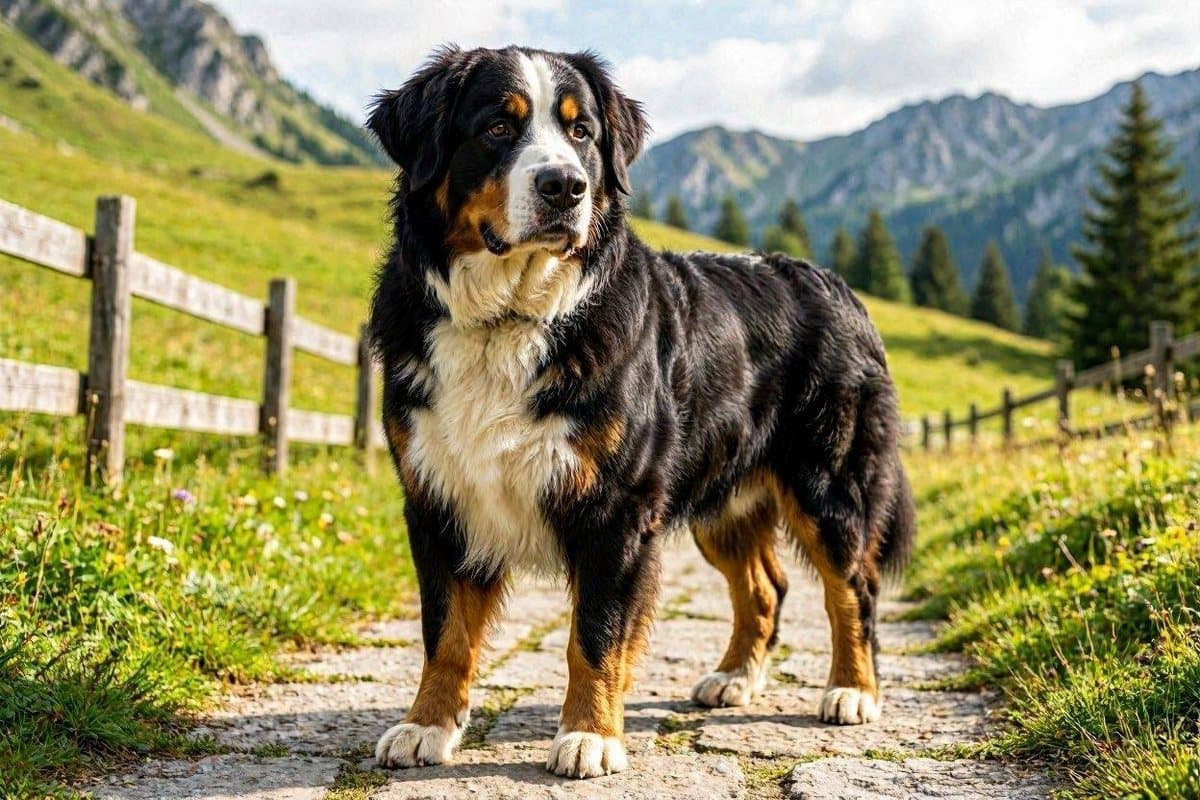
Bernese Mountain Dog at a glance
- Species
- Dog
- Size
- Giant (70–115 lbs)
- Energy
- ●●●●●
- Shedding
- ●●●●●
- Grooming needs
- ●●●●●
- Apartment suitability
- ●●●●●
The Bernese Mountain Dog is a Swiss farm dog wrapped in a tricolor plush coat — calm, devoted, magnificent in snow, and attached to its family like gravity.
Origin & History
The Bernese Mountain Dog is one of four Swiss "Sennenhund" (mountain dog) breeds, developed by farmers in the canton of Bern to herd cattle, guard farms, and pull carts loaded with dairy and cheese to market — hence the tricolor coat and sturdy, muscular build. The breed nearly disappeared by the late 1800s as farming modernized, but Swiss fanciers, led by breeder Franz Schertenleib, revived it in the early 1900s by seeking out surviving farm dogs in the Bern countryside. Berners arrived in the U.S. in the 1930s and now sit in the AKC's Working Group, valued far more today as devoted companions than as working farm dogs. The name "Sennenhund" translates roughly to "herdsman's dog," and the Bernese remains the most internationally popular of the four Swiss mountain breeds, likely thanks to that striking tricolor coat and famously sweet temperament.
Temperament
Gentle, easygoing, and deeply people-bonded. Berners are famously good with children (supervised — leaning is a breed sport and they weigh a hundred pounds), welcoming to guests after a dignified assessment, and genuinely miserable when excluded from family life. They're indoor dogs with outdoor hobbies, not yard dogs — this breed wants to be wherever you are. Berners are notably calm and low-drama compared to many working breeds; serious behavior problems are uncommon when the dog gets adequate company and exercise.
Exercise Needs
Moderate: daily walks, play, and — their heritage joy — hiking and cart-pulling. Like all giant breeds, limit strenuous exercise during the long growth phase to protect developing joints, and treat heat as a real constraint: this thick coat was engineered for the Alps, not a summer afternoon.
Grooming
The thick tricolor double coat sheds seriously year-round with seasonal avalanches: brushing 2–3 times weekly (daily in shedding season), and a vacuum with real commitment behind it. Never shave a Berner — the double coat regulates temperature in both directions and doesn't grow back the same after shaving.
Training
Willing and soft-natured: gentle positive methods work beautifully; harshness crushes them emotionally rather than correcting behavior. Berners mature slowly — often not fully "grown up" mentally until age two or three — so train leash manners early, before their adult mass of 70-plus pounds arrives and makes bad habits harder to manage.
Health & Lifespan
The hard conversation: Berners carry among the highest cancer rates of any breed, with histiocytic sarcoma a particular concern, plus hip and elbow dysplasia and bloat risk from their deep chest. A lifespan of 7–10 years is the breed's defining tax — shorter than almost any other dog this size would suggest. Choose rigorously health-tested lines, keep them lean, and consider insurance from puppyhood, since cancer treatment costs can be substantial. Regular vet checkups matter more in this breed than most — catching a problem early can meaningfully change the outlook, given how heavily cancer weighs on the breed's overall health statistics.
Living With Kids & Other Pets
Berners are outstanding family dogs, typically patient and gentle with children they're raised alongside — their calm, steady temperament was part of what made them useful farm dogs around livestock and people alike. They generally do well with other dogs and pets, especially with early socialization, though their size means even friendly leaning or bumping can knock over a small child or animal. Many Berner households report the dog appointing itself unofficial supervisor of the yard, content to watch children play rather than herd or chase them.
Is a Berner Right for You?
For a household with space, cool-climate patience, grooming tolerance, and the emotional budget for a shorter companionship — the Bernese Mountain Dog is one of the most loving dogs alive. Go in with eyes open and camera ready — this is a breed that photographs beautifully in the snow and leaves an outsized paw print on a family's heart.
Frequently Asked Questions
How long do Bernese Mountain Dogs live?
Heartbreakingly short: 7–10 years, with cancer the leading cause. It's the breed's defining sorrow, and owners say the years are worth it anyway.
Do Berners handle heat?
Poorly — they're built for Swiss alpine winters. Summer means early walks, shade, AC, and lowered expectations. They visibly celebrate the first snow.
Related Guides
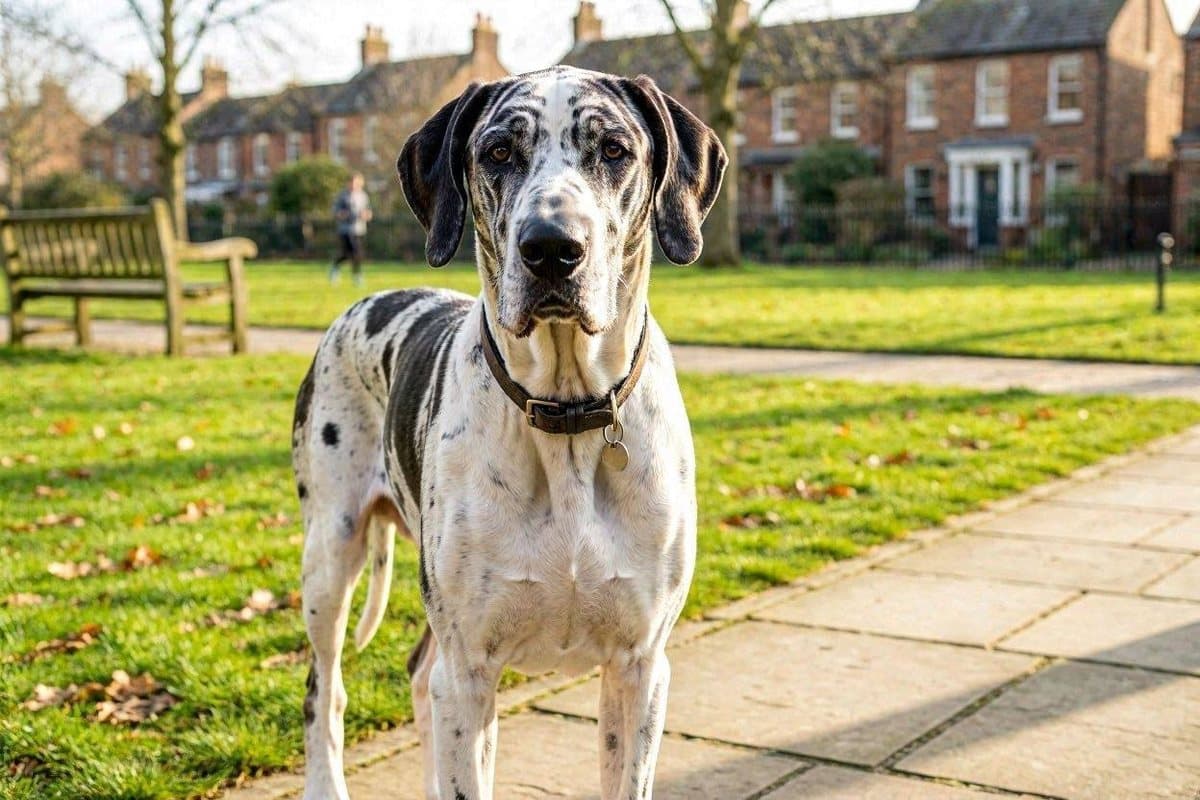
Great Dane Breed Guide
Great Dane temperament, space and cost realities, bloat prevention, and health considerations for the tallest dog breed.
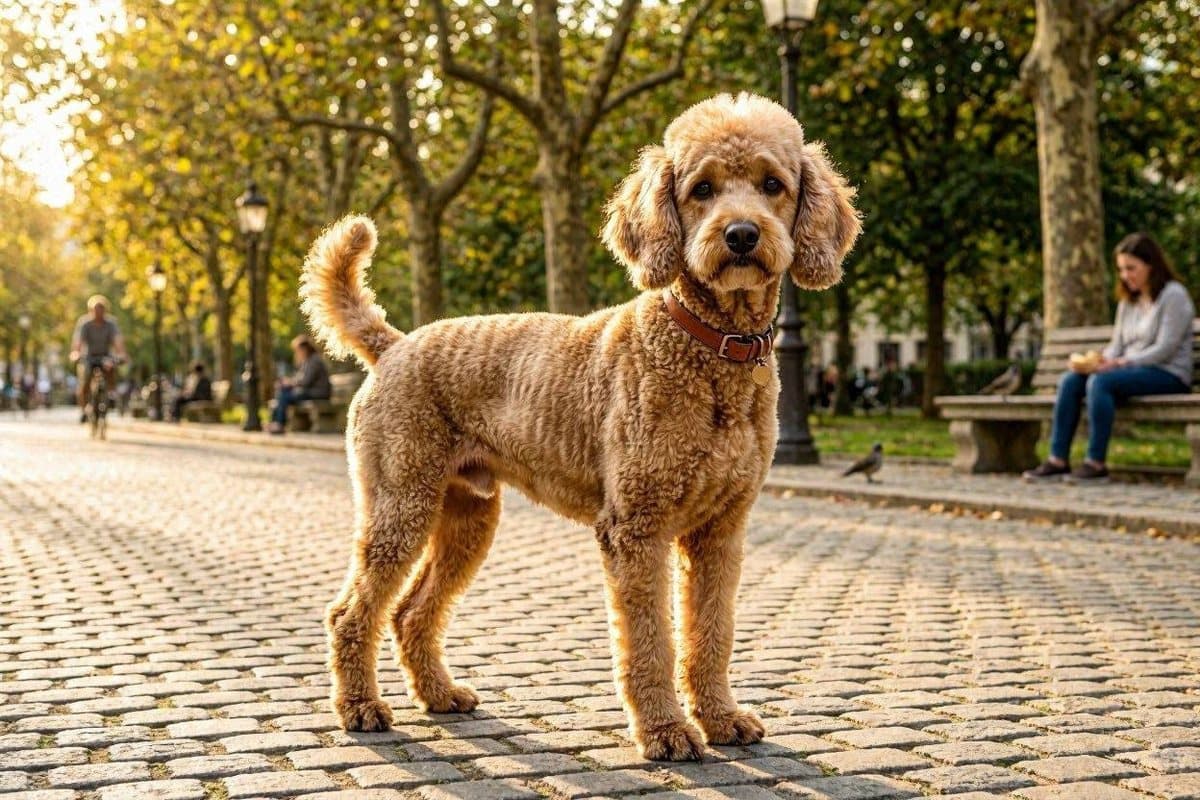
Standard Poodle Breed Guide
Standard Poodle temperament, exercise and grooming needs, and health considerations for this intelligent, versatile breed.
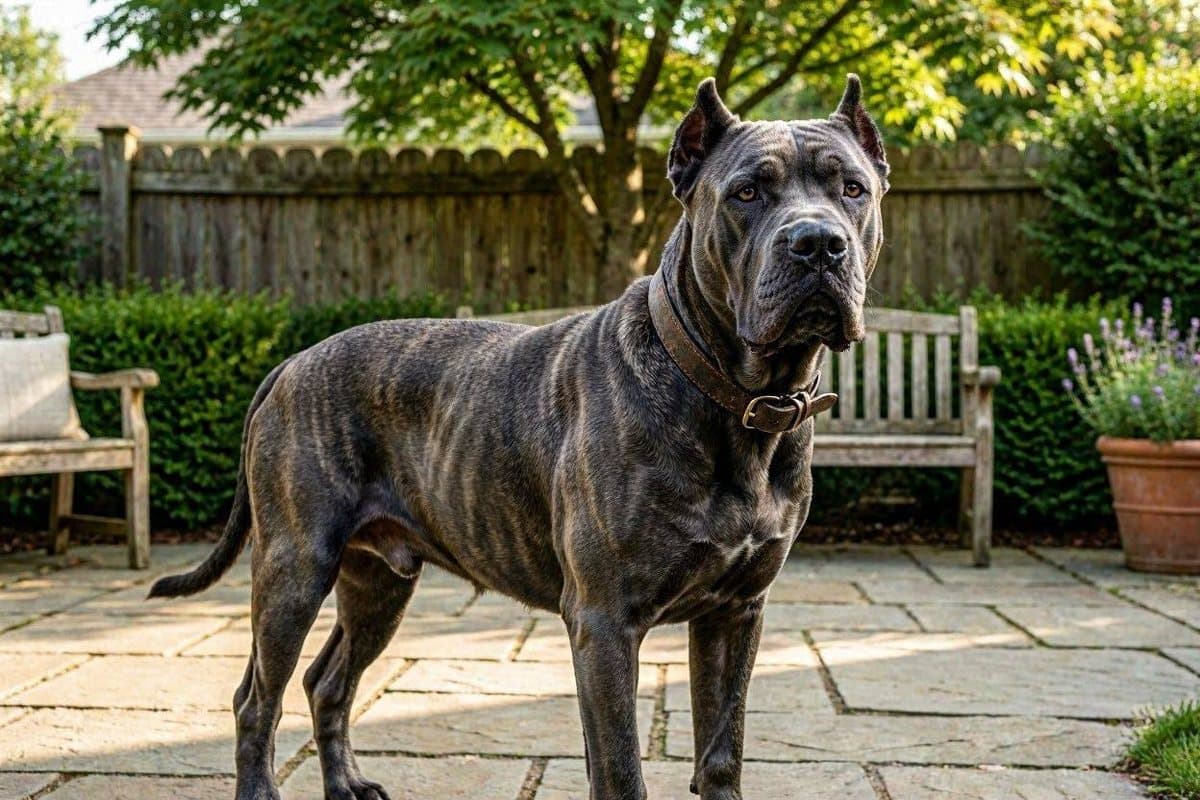
Cane Corso Breed Guide
Cane Corso temperament, training and socialization requirements, and the honest ownership realities of this Italian mastiff guardian.
Get one useful pet-care tip a week
No spam, unsubscribe anytime.