 Daily Pet Care Hub
Scottish Fold Cat Breed Guide
By Pet Mama · Published 2025-08-22 · Updated 2026-08-31 · 3 min read
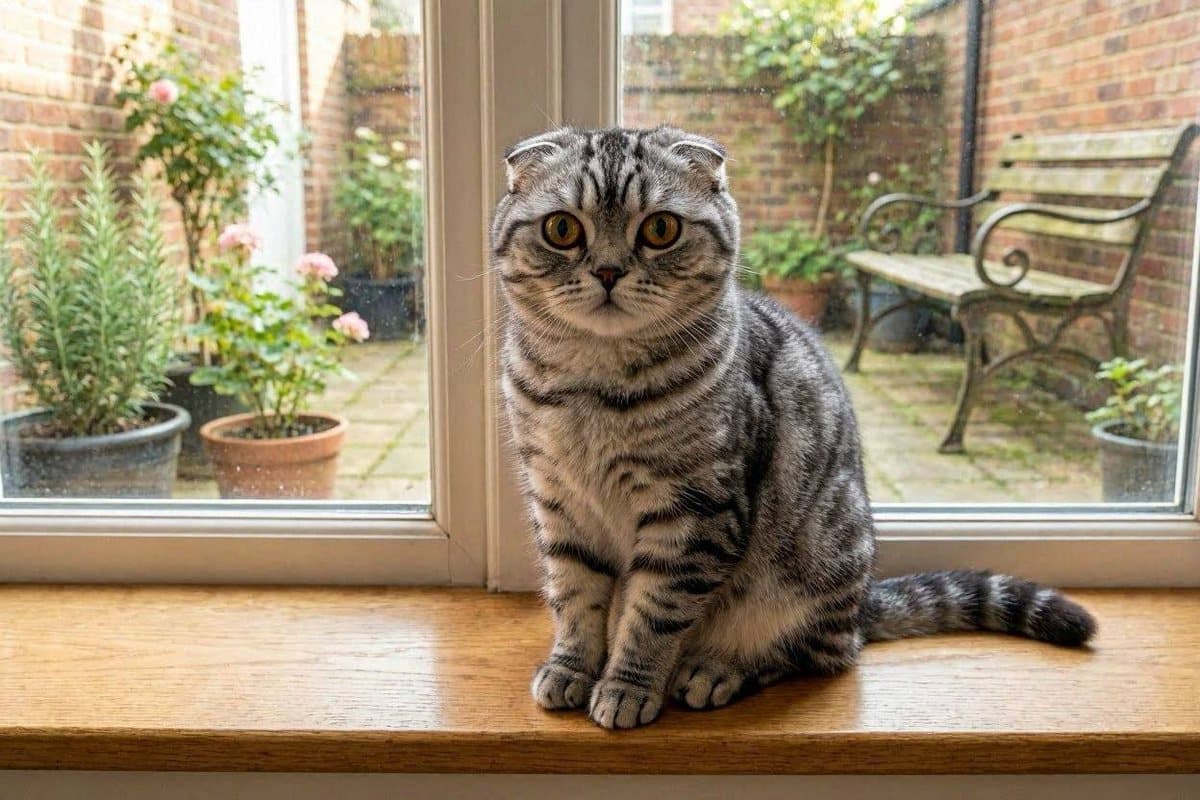
Scottish Fold Cat at a glance
- Species
- Cat
- Size
- Medium (6–13 lbs)
- Energy
- ●●●●●
- Shedding
- ●●●●●
- Grooming needs
- ●●●●●
- Apartment suitability
- ●●●●●
The Scottish Fold's owl-like face is one of the most charming in the cat world — and responsible ownership starts with understanding what causes it.
Origin & History
Every Scottish Fold traces back to a single farm cat named Susie, discovered near Perthshire, Scotland in 1961 with a spontaneous ear mutation that folded her ears forward. A local shepherd who noticed her took two of her kittens, which also carried the fold, and began a breeding program with the help of a geneticist. Early development crossed the fold gene into British Shorthairs and domestic cats to build out the breed we see today. Understanding that origin matters, because the same mutation responsible for the breed's signature look is also the source of its central health concern — this isn't a breed where appearance and welfare can be considered separately.
The Health Conversation First
The folded ears come from a cartilage mutation, osteochondrodysplasia, that affects cartilage everywhere in the body, not just the ears. All folded-ear cats carry some degree of joint risk, and some develop painful arthritis in the tail, legs, or paws while still young. If you're considering the breed: buy only from breeders who never pair fold-to-fold (fold x straight is the standard, safer pairing), watch for stiffness, a shortened or rigid tail, or reluctance to jump, keep weight lean to reduce joint strain, and budget for joint-supportive vet care over the cat's lifetime. Some countries and cat organizations restrict or discourage breeding Folds for this reason — we'd be doing you a disservice not to say so plainly before the charm of those ears sways the decision.
Temperament
Genuinely lovely: calm, sweet, and companionable without being demanding. Folds attach to their people, follow quietly from room to room, and are famous for sitting up in the relaxed "Buddha position," back legs splayed, that's become the breed's signature pose. They adapt beautifully to apartments and gentle households, rarely making a fuss and generally taking new situations in stride.
Activity & Enrichment
Low-to-moderate: soft play sessions, puzzle feeders, and window perches with easy, low access suit this breed well. Provide steps or ramps to furniture and cat trees rather than requiring big jumps — a real kindness to joints that may already be under strain, and worth setting up before any stiffness appears rather than after.
Grooming & Shedding
Easy: weekly brushing for the more common shorthair variety (longhair Folds exist too and need a bit more), plus weekly ear checks that matter more than in most breeds — folded ears trap wax and debris more readily than upright ones and need gentle, regular attention to avoid infection.
Living With Kids & Other Pets
Scottish Folds are patient, unbothered companions for calm households, including those with respectful children. They typically get along well with other cats and gentle dogs, though given their joint sensitivity, a boisterous playmate that encourages rough jumping and wrestling isn't the ideal match — a calmer companion closer to their own energy level tends to work out better for everyone.
Feeding Notes
Keeping a Scottish Fold lean isn't just about general health — extra weight puts direct strain on joints that may already be more vulnerable than average, which makes portion control a genuine welfare issue for this breed rather than a cosmetic one. Measured meals on a set schedule, a nutrition plan appropriate for their moderate activity level, and regular weight checks with your vet all help protect the joints for the long run.
Is a Scottish Fold Right for You?
If the temperament appeals but the health picture concerns you, consider a Scottish Straight (same sweet nature, straight ears, no cartilage issue) or a British Shorthair — a close cousin in looks and personality without the joint risk. If you do adopt a Fold, do it informed, from a health-conscious breeder or a shelter, and stay vet-partnered for life.
Frequently Asked Questions
Why do Scottish Folds' ears fold?
A genetic mutation affecting cartilage throughout the body — which is also why the breed carries joint disease risk. The ears are the visible part of a whole-body trait.
Do all Scottish Fold kittens have folded ears?
No — kittens are born with straight ears; folds appear around 3–4 weeks in those carrying the gene. Straight-eared 'Scottish Straights' avoid the cartilage issue.
Related Guides
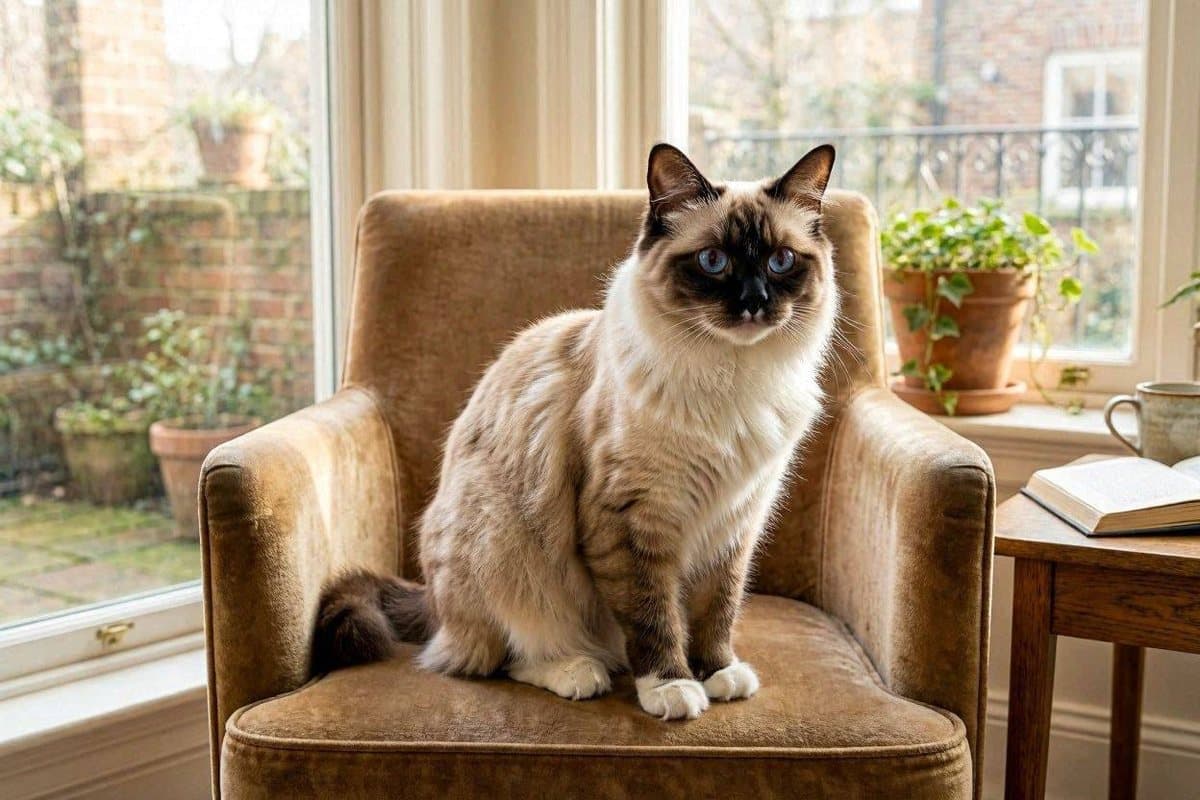
Birman Cat Breed Guide
Birman temperament, gentle social nature, silky coat care, and health considerations for this blue-eyed, white-gloved breed.
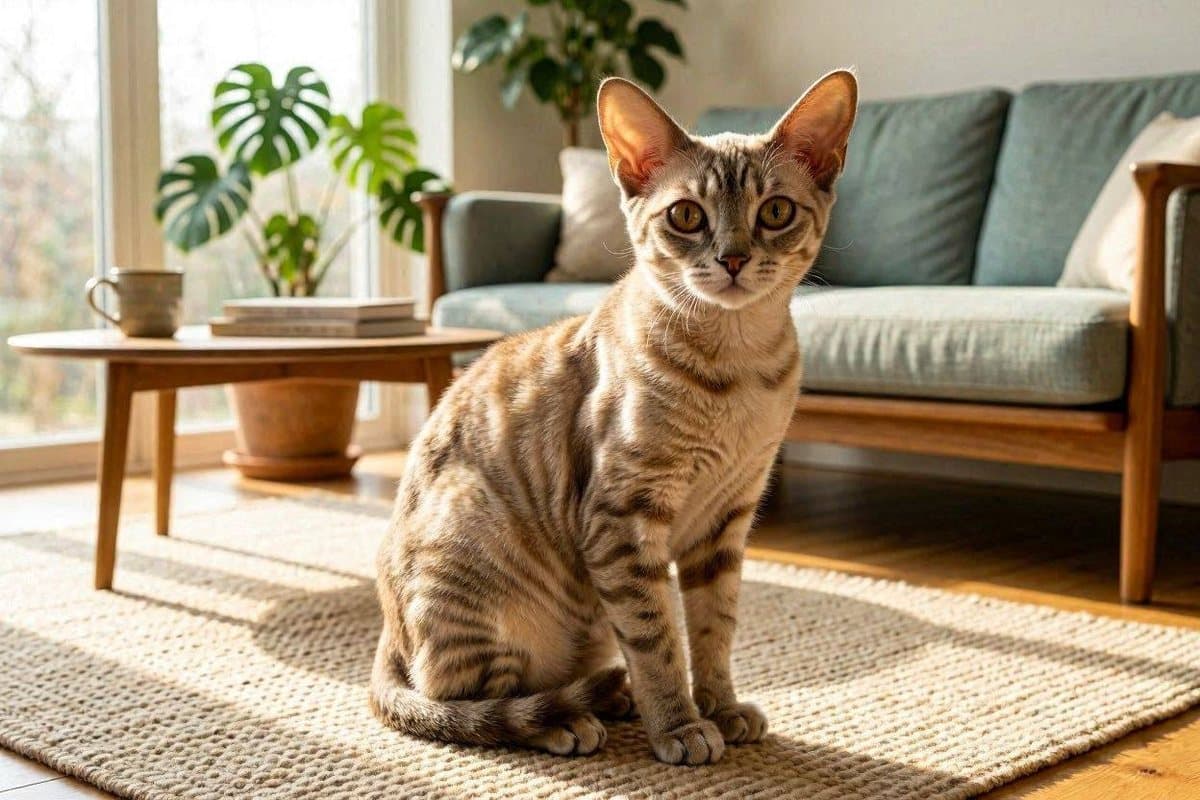
Devon Rex Cat Breed Guide
Devon Rex temperament, curly coat care, warmth needs, and health considerations for this playful, people-obsessed breed.
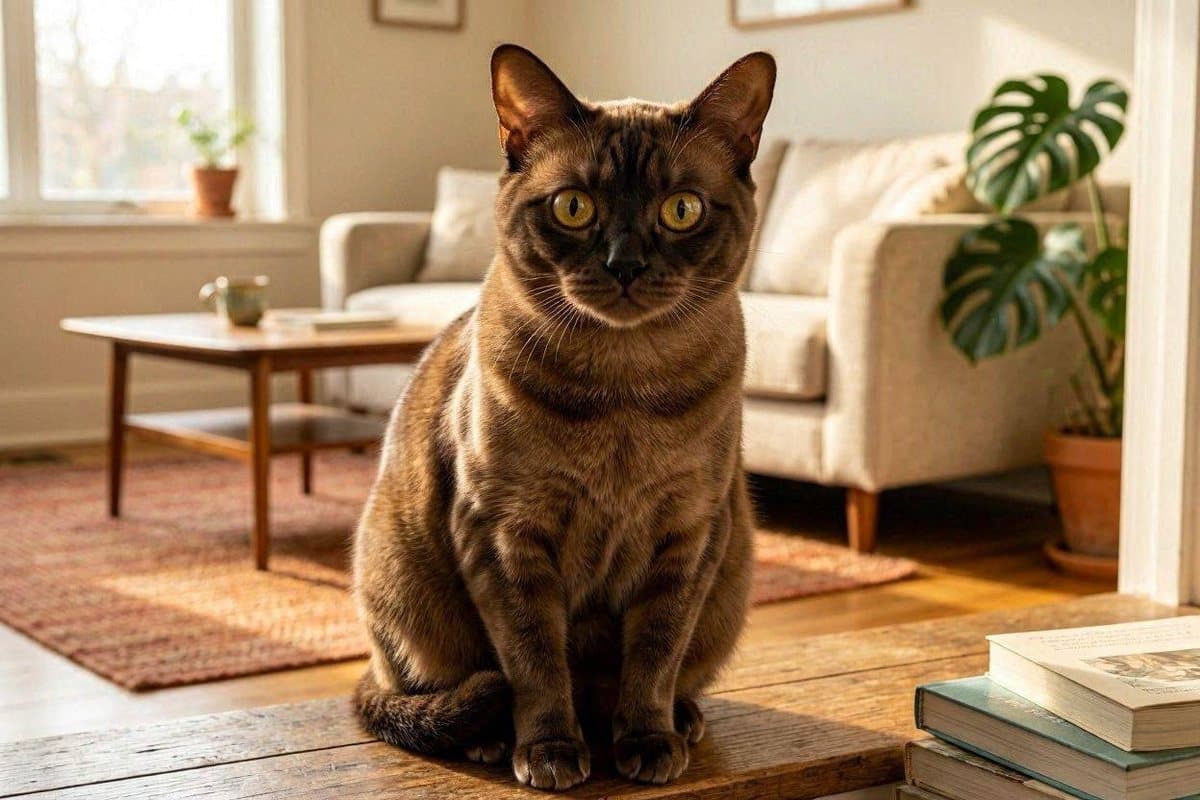
Burmese Cat Breed Guide
Burmese cat temperament, social needs, grooming, and health considerations for this affectionate, playful breed.
Get one useful pet-care tip a week
No spam, unsubscribe anytime.