 Daily Pet Care Hub
British Shorthair Breed Guide
By Pet Mama · Published 2024-08-28 · Updated 2026-08-31 · 3 min read
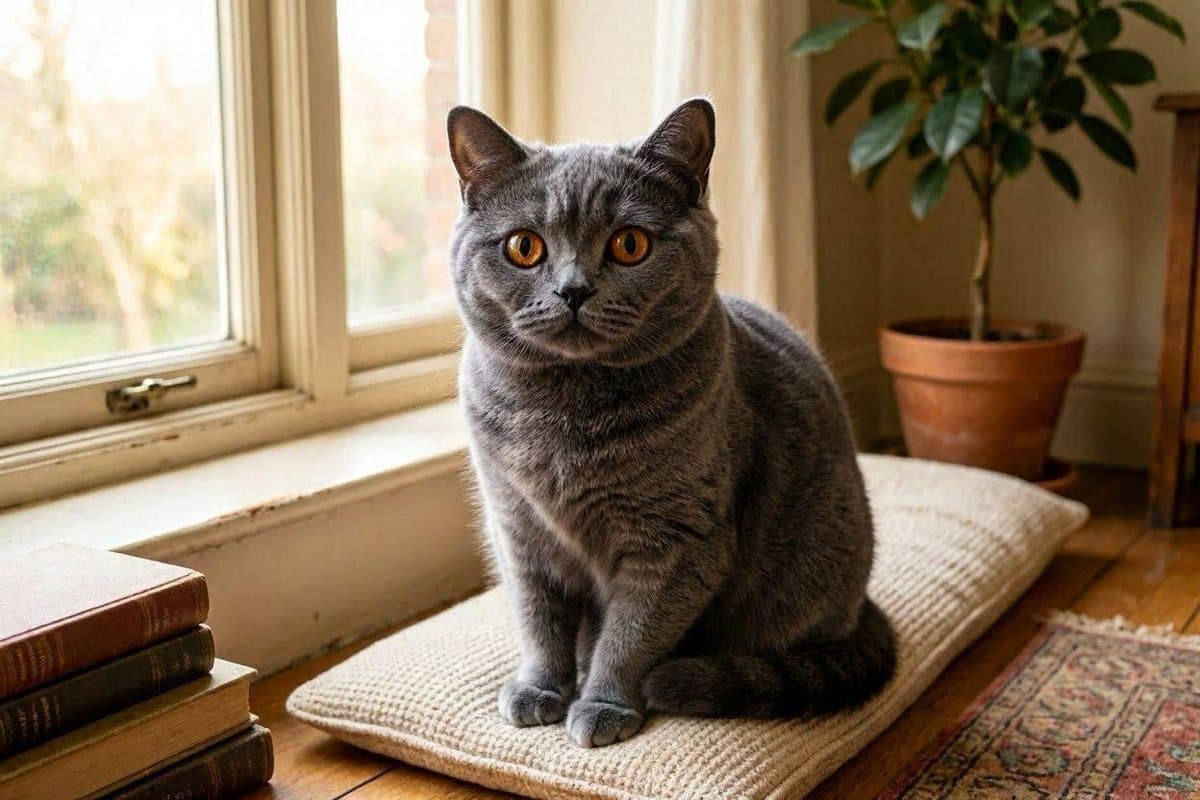
British Shorthair at a glance
- Species
- Cat
- Size
- Medium–Large (7–17 lbs)
- Energy
- ●●●●●
- Shedding
- ●●●●●
- Grooming needs
- ●●●●●
- Apartment suitability
- ●●●●●
The British Shorthair is a calm, easygoing cat that suits apartment life beautifully — a sturdy, round-faced companion that's been part of British households, in one form or another, for close to two thousand years.
History & Origin
The breed traces back to domestic cats brought to Britain by Roman traders, later refined over centuries into the chunky, plush-coated cat we know today. Breeder Harrison Weir helped formalize the standard in the 1800s, and the "British Blue" — solid gray-blue with copper eyes — became the signature look, though the breed now comes in dozens of colors and patterns. It's one of the oldest identifiable pedigreed cat breeds still popular today.
Temperament & Personality
Independent but affectionate, quiet, and remarkably tolerant. British Shorthairs form real bonds with their people but rarely demand attention — they're content to nap nearby, greet you at the door, and let you set the pace. This even keel makes them excellent for first-time owners, busy professionals, and anyone who wants a cat that doesn't unravel when left alone during a long workday. They're not a lap-cat breed in the classic sense; most prefer sitting beside you to sitting on you, though individuals vary.
Exercise & Play Needs
Low to moderate energy. British Shorthairs would rather observe than sprint, which makes weight management the single biggest care issue for the breed. Short daily play sessions with a wand toy, plus a few puzzle feeders scattered around the house, go a long way toward keeping them lean and mentally engaged. They're not big climbers or jumpers compared to more athletic breeds, so a modest cat tree and some floor-level enrichment usually covers their needs — see our apartment cat setup guide for ideas that suit a low-energy cat in a small space.
Grooming & Shedding
The dense, plush double coat feels more like a teddy bear than typical cat fur, and it's easier to maintain than it looks. Weekly brushing removes loose hair and prevents mats; during spring and fall shedding seasons, bump that up to two or three times a week. Beyond that, routine nail trims, ear checks, and dental care round out their grooming needs — there's no long hair to tangle and no daily commitment required.
Health & Lifespan
British Shorthairs are a generally healthy, robust breed with a typical lifespan of 12 to 17 years, and many live longer with good care. A few things are worth knowing about:
- Hypertrophic cardiomyopathy (HCM) — a thickening of the heart muscle that shows up in some lines; ask breeders about cardiac screening.
- Polycystic kidney disease (PKD) — less common than in Persians, but still worth screening for in breeding lines.
- Obesity — by far the most common issue in practice, since this is a low-activity breed with a hearty appetite.
- Dental disease — like most cats, regular checkups and home care help catch problems early.
Because weight creeps up easily, measured portions and a feeding routine matter more for this breed than most. Our pet nutrition basics guide is a good starting point for portion control and treat limits.
Living With Kids & Other Pets
Few breeds handle household chaos as gracefully. British Shorthairs are patient with children, tolerant of dogs and other cats, and generally unbothered by noise, visitors, or changes in routine. They're not the type to hide under the bed when the doorbell rings. This steady temperament is a big part of why the breed shows up so often on lists of best family and apartment cats — see our best apartment cats guide for how they stack up against other low-maintenance breeds.
Is a British Shorthair Right for You?
If you want a cat that's affectionate without being needy, handsome without high-maintenance grooming, and easygoing enough to thrive in a small apartment or a busy family home, the British Shorthair is hard to beat. The tradeoffs are modest: watch the food bowl, keep up with brushing during shedding season, and don't expect a lap cat. For owners who want calm, steady companionship over constant interaction, this breed delivers it in spades.
Frequently Asked Questions
Are British Shorthairs lap cats?
They're affectionate but typically prefer sitting beside you rather than on you.
How long do British Shorthairs live?
Typically 12–17 years, with many living longer on a good diet and regular vet care.
Do British Shorthairs get along with dogs?
Usually, yes. Their easygoing, unflappable temperament makes them one of the more dog-tolerant cat breeds.
Related Guides
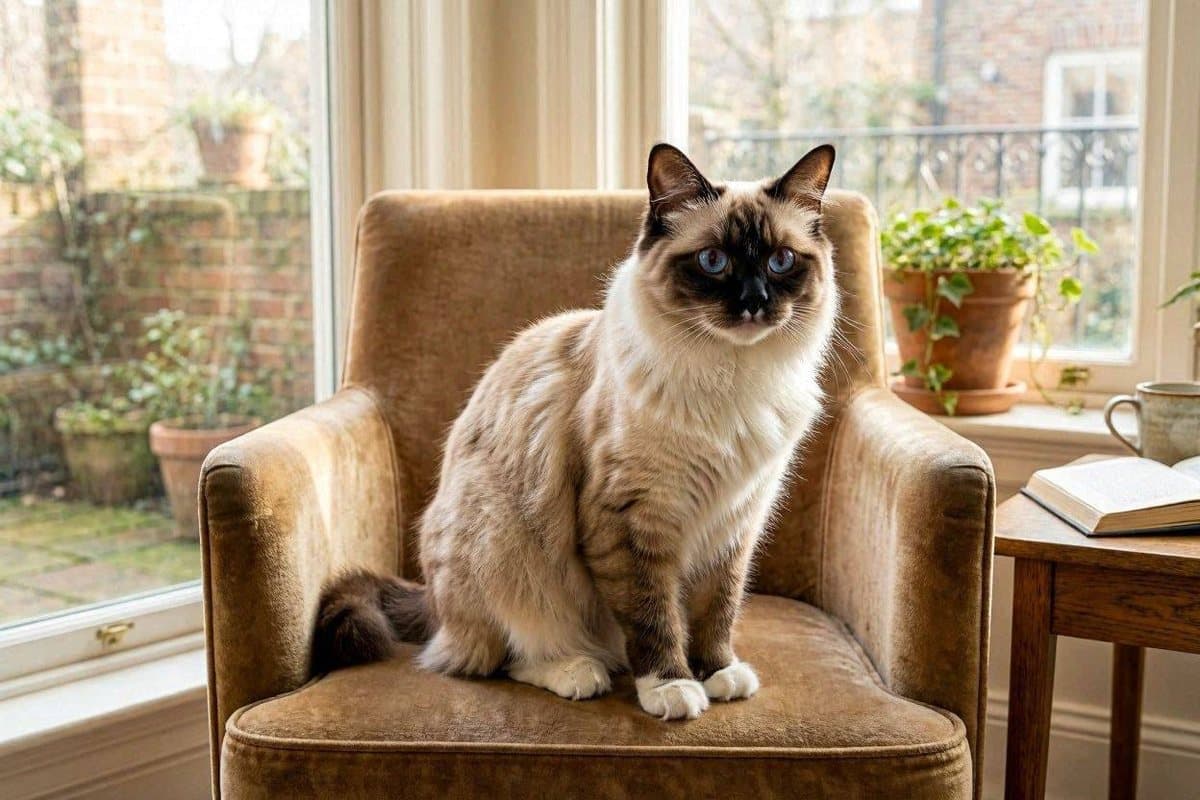
Birman Cat Breed Guide
Birman temperament, gentle social nature, silky coat care, and health considerations for this blue-eyed, white-gloved breed.
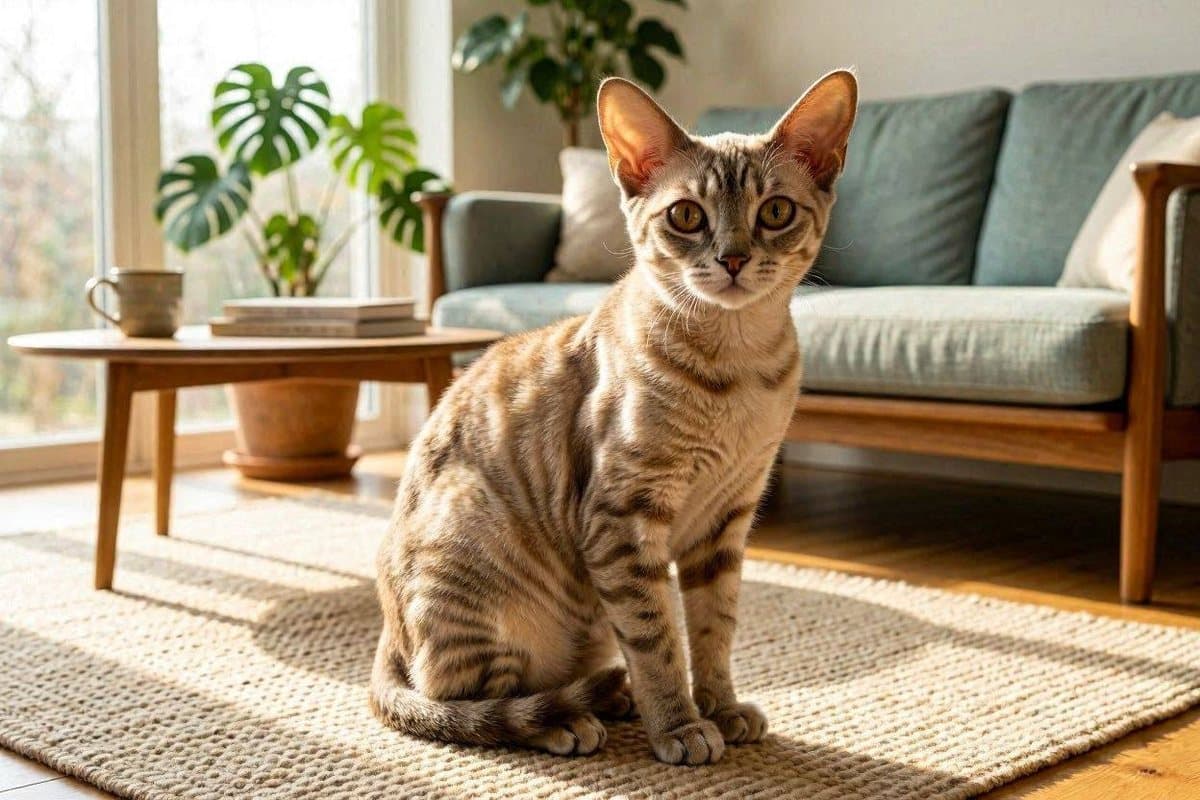
Devon Rex Cat Breed Guide
Devon Rex temperament, curly coat care, warmth needs, and health considerations for this playful, people-obsessed breed.
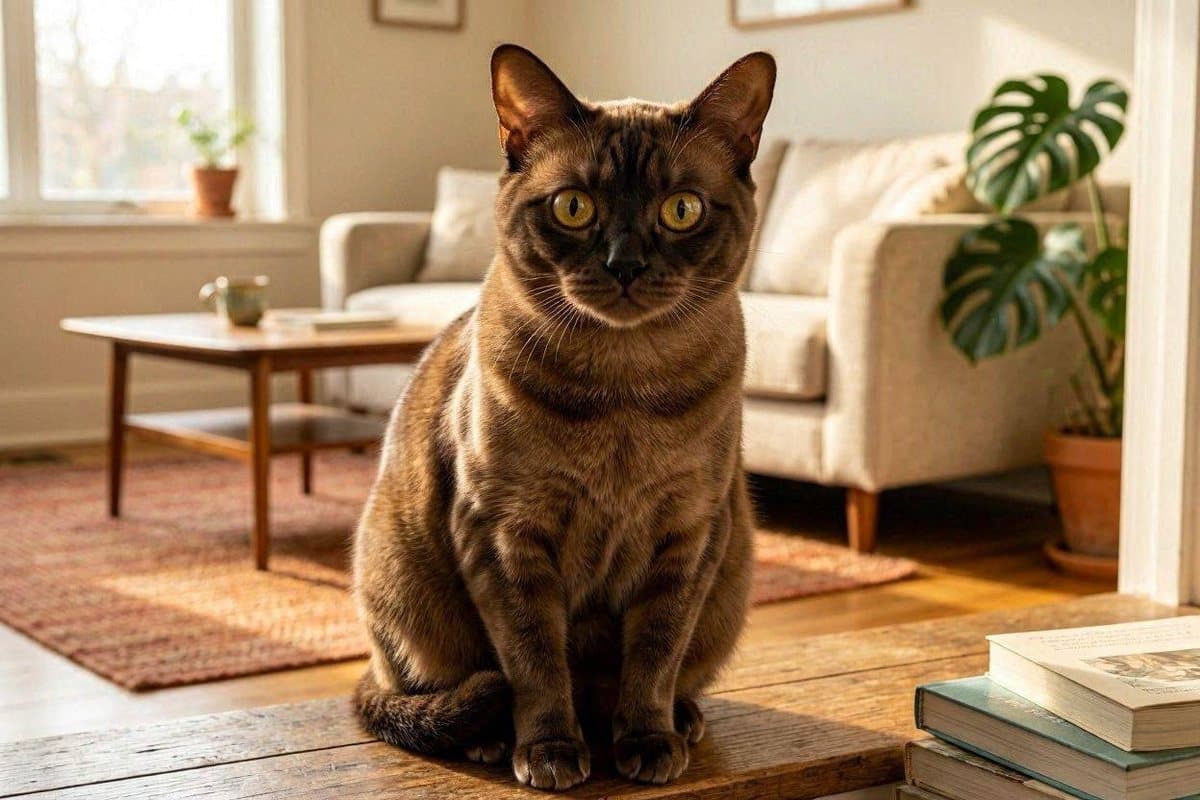
Burmese Cat Breed Guide
Burmese cat temperament, social needs, grooming, and health considerations for this affectionate, playful breed.
Get one useful pet-care tip a week
No spam, unsubscribe anytime.