 Daily Pet Care Hub
Labrador vs Golden Retriever: Which Is Right for You?
By Pet Mama · Published 2026-06-15 · Updated 2026-08-31 · 4 min read

America's two favorite family dogs, endlessly compared for good reason: they're cousins in temperament and popularity, different in the details that decide daily life. Here's the honest side-by-side.
At a Glance
| Factor | Labrador | Golden |
|---|---|---|
| Size | 55–80 lbs | 55–75 lbs |
| Temperament | Exuberant, athletic, everyone's buddy | Gentle, attuned, eager to please |
| Energy | High, stays puppyish to ~3 | High, mellows slightly earlier |
| Coat | Short double coat | Medium feathered double coat |
| Shedding | Heavy, year-round | Heavy, clumpier |
| Grooming | Weekly brush | 2–3× weekly brush |
| Trainability | Excellent | Excellent, extra-sensitive |
| Kid compatibility | Great (boisterous) | Great (gentler) |
| Health watch | Obesity, joints, ears | Cancer risk, joints |
| Lifespan | 11–13 years | 10–12 years |
Where They're Basically the Same
Friendliness (neither guards anything except dinner), trainability (both excel with positive methods), water obsession, food motivation, exercise needs (60+ minutes daily), and unsuitability for long lonely days. If your question is "which one is nice" — both, overwhelmingly.
Both breeds also share a genuinely all-purpose skill set: they were bred as retrievers first, which is why both take naturally to fetch, swimming, and cooperative games in a way that terrier and hound breeds often don't. Neither breed does well as a background pet — both actively want a job, even if that job is just structured daily walks and puzzle feeders.
Puppyhood: What to Expect From Each
Lab puppies tend to be the bulldozers of the retriever world — mouthier, more food-driven to the point of counter-surfing early, and slower to physically mature out of the chewing phase. Golden puppies are typically a touch softer and more responsive to tone, but no less work: both breeds need the same structured first year of socialization, crate training, and consistent house rules. Neither is a "hands-off" puppy regardless of the breed's easygoing adult reputation.
Exercise and Mental Stimulation
Both need 60 or more minutes of real exercise daily as adults, plus mental work — a tired retriever is a calm retriever, and an under-exercised one of either breed tends to channel that energy into chewing or barking. Swimming is close to ideal for both if you have access to safe water; it's low-impact on joints while burning real energy. Puzzle feeders and short training sessions cover the mental side on days weather limits outdoor time.
The Real Differences
Energy texture. Labs are the boisterous gym buddy: physical, bouncy, delightfully unsubtle, puppy-brained until three. Goldens carry the same engine with softer suspension — slightly more biddable, slightly more sensitive to tone, often calmer indoors a year earlier.
Coat economics. Labs: short hair, everywhere, woven into everything, minimal grooming skill required. Goldens: longer feathering that mats behind ears without brushing, tumbles in sweepable clumps, and demands 2–3 brushing sessions weekly. Grooming-averse? Lab. Don't mind brushing? The Golden coat is arguably easier to live with.
Health profiles. Both carry hip/elbow dysplasia risk — buy tested lines, keep them lean. The divergence: Labs battle obesity (legendary appetites; measure every meal) and ear infections; Goldens carry the breed's sobering cancer rates — the strongest argument for early insurance on the Golden side.
Household fit. Rowdy young families and running partners: Lab. Households with toddlers, seniors, or a preference for gentle: Golden. Apartments: honestly neither is ideal, but committed exercisers make both work.
Cost and Long-Term Care
Both breeds carry similar baseline costs — food volume scales with their 55–80 lb size, and both benefit from pet insurance priced while young given their respective joint and cancer risks. Labs' obesity tendency means portion control is a lifelong cost-control habit, not a onetime fix; Goldens' cancer risk makes early insurance or a dedicated health savings cushion the more urgent financial planning item. Either way, budgeting realistically for a large, active breed avoids surprises later.
The Third Option
Torn because you want lower shedding? That's the Goldendoodle conversation — with its own trade-offs. Want the temperament without the shedding or the grooming bill? The Standard Poodle is the underrated answer.
Our Verdict
There is no wrong choice — only fit. Take the Breed Matcher quiz with your honest lifestyle answers, then meet adults of both breeds if you can. The dog will make the final argument in person; they always do.
Frequently Asked Questions
Which sheds more, a Lab or a Golden?
Both shed heavily. Labs shed short hairs year-round everywhere; Goldens shed longer hair that clumps and is arguably easier to sweep. It's a tie you'll vacuum either way.
Which is calmer, a Lab or a Golden?
Goldens typically mellow slightly earlier and run a touch softer; Labs stay boisterous longer. Individual lines vary more than the breed averages.
Which is better for first-time owners?
Both are top-tier first dogs. Goldens edge ahead for gentle households; Labs for active, rough-and-tumble families. You genuinely can't pick wrong on temperament.
Which is easier to train?
Both are among the most trainable breeds that exist — food motivation and eagerness to please make them forgiving of a first-time trainer's mistakes. Goldens respond slightly faster to a soft correction; Labs shrug most things off.
Do Labs or Goldens do better with other pets?
Both were bred to work alongside people and other dogs, so most individuals socialize well with cats and other dogs when introduced properly and early. Neither breed has a strong prey drive compared to terriers or sighthounds.
Related Guides
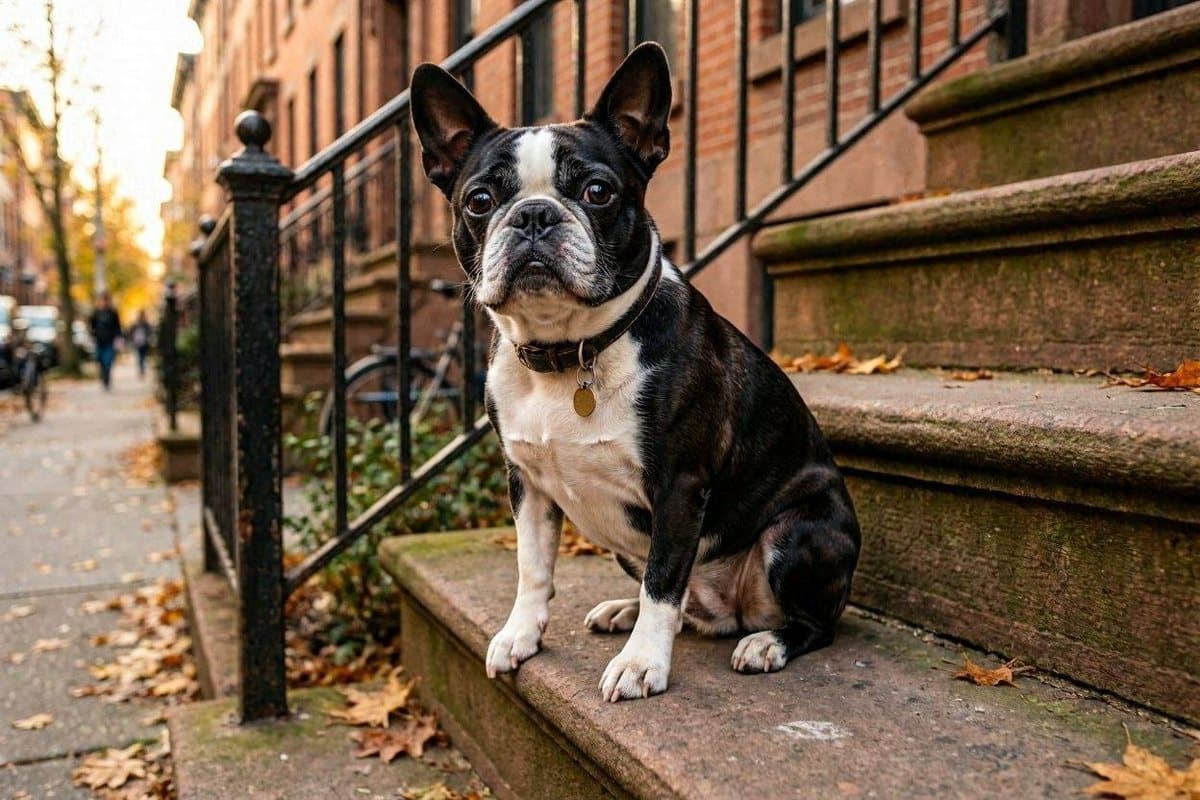
French Bulldog vs Boston Terrier: The Apartment Showdown
Frenchie vs Boston Terrier compared: temperament, health costs, trainability, and which suits apartments and first-time owners better.

Cavapoo vs Goldendoodle: Which Doodle Fits Your Life?
Cavapoo vs Goldendoodle compared honestly: size, energy, temperament, grooming costs, and which doodle suits apartments vs active families.

Dog vs Cat: Which Pet Is Right for a First-Time Owner?
Dog or cat for your first pet? Compare time, cost, lifestyle fit, apartment suitability, and emotional style — with an honest decision framework.
Get one useful pet-care tip a week
No spam, unsubscribe anytime.