 Daily Pet Care Hub
Ragdoll Cat Breed Guide
By Pet Mama · Published 2024-12-14 · Updated 2026-08-31 · 3 min read
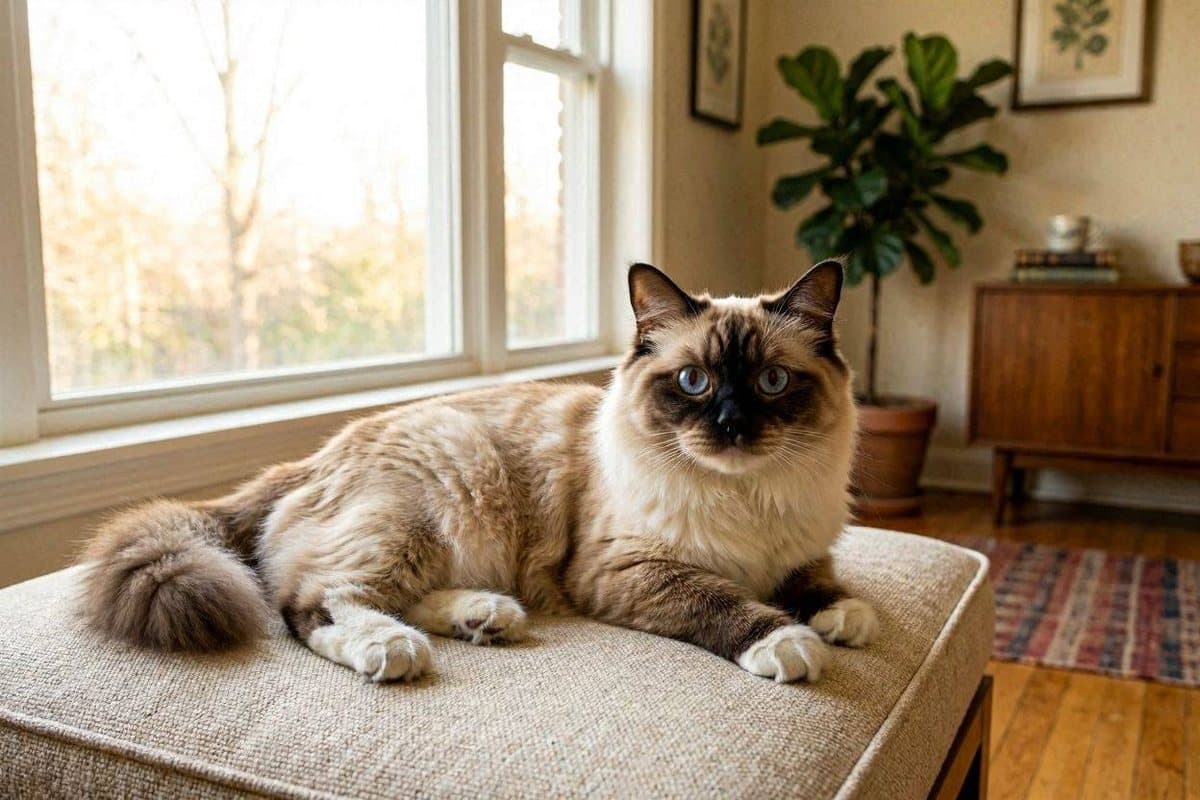
Ragdoll Cat at a glance
- Species
- Cat
- Size
- Large (10–20 lbs)
- Energy
- ●●●●●
- Shedding
- ●●●●●
- Grooming needs
- ●●●●●
- Apartment suitability
- ●●●●●
The Ragdoll is the quintessential lap cat: large, silky, blue-eyed, and devoted to its people.
History & Origin
The Ragdoll is a relatively young breed, developed in California in the 1960s by breeder Ann Baker using a white longhaired cat named Josephine as the foundation. Baker built the breed around its trademark docility and trusting nature, and while some of her original claims about the cats' origins were more marketing than fact, the breed's genuinely relaxed temperament has been reinforced through generations of selective breeding ever since. It's one of the youngest widely recognized cat breeds, yet it has become one of the most popular in the world thanks to that unmistakable combination of size, softness, and devotion.
Temperament & Personality
Exceptionally gentle and people-oriented. Ragdolls greet you at the door, flop into laps, and tolerate handling better than almost any breed — a top choice for families with gentle children. Many owners describe them as puppy-like: they follow their people from room to room, want to be part of whatever's happening, and rarely act standoffish. Because they're so trusting and slow to react defensively, supervision matters more with a Ragdoll than with a more self-protective breed, especially around rough handling.
Exercise & Play Needs
Low to moderate energy. They enjoy play but won't demand it, which means owners must schedule it: daily wand-toy sessions protect against weight gain, since a Ragdoll left to its own devices will happily nap the day away. Floor-level comfort beats high climbing for most Ragdolls — their large, dense bodies aren't built for the acrobatics of more athletic breeds, so a cozy perch matters more than a tall cat tree.
Indoor Life
Strictly indoor is the standard recommendation — their docile trust makes outdoor life risky, since they're slower to flee danger than a more cautious cat. They adapt beautifully to apartments and quiet homes, and their calm nature means they rarely try to bolt out an open door. Our apartment cat setup guide has practical tips for keeping an indoor-only cat enriched and content.
Grooming & Shedding
The semi-long silky coat has minimal undercoat, so it resists matting better than a true longhair breed: brush two to three times weekly to prevent tangles, especially behind the ears and in the britches (the fluffy fur on the hind legs). Because they're born white and develop their signature point coloring gradually, a Ragdoll kitten's final look is something of a slow reveal over its first two years.
Health & Lifespan
Typical lifespan runs 12 to 17 years. The breed is predisposed to a couple of hereditary conditions worth screening for:
- Hypertrophic cardiomyopathy (HCM) — a genetic test exists for one known mutation; responsible breeders screen their breeding stock.
- Bladder and urinary stones — reported at higher rates in some lines.
- Obesity — a real risk given their low activity level and hearty appetite.
Buy from health-screening breeders or adopt with a vet check, and watch their weight throughout life — see our pet nutrition basics guide for portion guidance.
Living With Kids & Other Pets
Ragdolls are widely considered one of the best breeds for households with children, thanks to their high pain tolerance, patience, and general reluctance to scratch or bite even when handled clumsily. They also tend to get along well with calm, well-socialized dogs, often following their canine housemates around with the same devotion they show their humans — one of the reasons the breed shows up so often on recommended lists for families adding a cat to an already busy household.
Is a Ragdoll Right for You?
Perfect for someone who wants an affectionate, calm companion and is home enough to enjoy it — families, first-time cat owners, and anyone craving a genuinely cuddly cat will find a lot to love. Not ideal if you want an independent, low-contact cat, or if your household is too rough-and-tumble for such a trusting, easygoing temperament. For a similarly gentle but slightly smaller and more playful alternative, take a look at our Birman breed guide.
Frequently Asked Questions
Why are they called Ragdolls?
Many go limp and relaxed when picked up — like a ragdoll. Individual cats vary, but the breed is exceptionally cuddly.
Can Ragdolls go outside?
They're best kept indoors — their trusting, docile nature leaves them poorly equipped for outdoor dangers.
How long does it take a Ragdoll to reach full size?
Up to 3–4 years — longer than most breeds. They're also born white and develop their full point coloring over about two years.
Related Guides
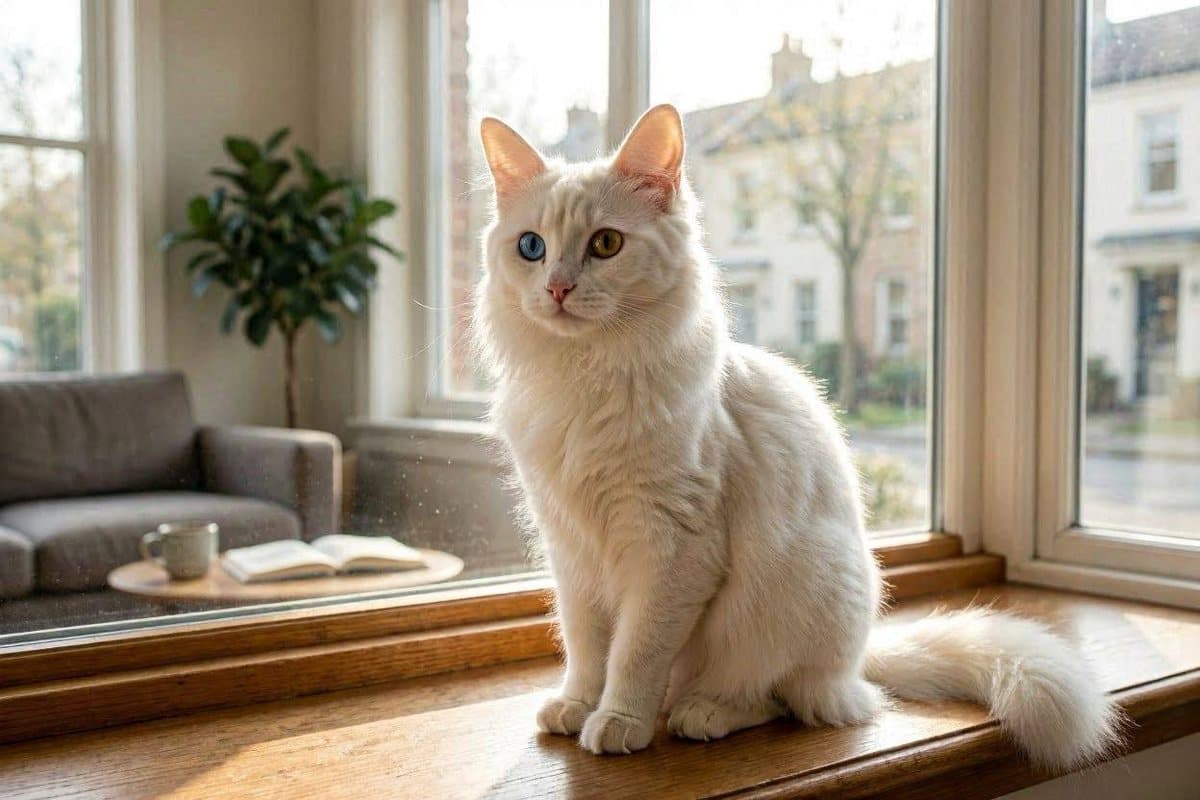
Turkish Angora Cat Breed Guide
Turkish Angora temperament, activity needs, silky coat care, and health notes for one of the oldest natural cat breeds.
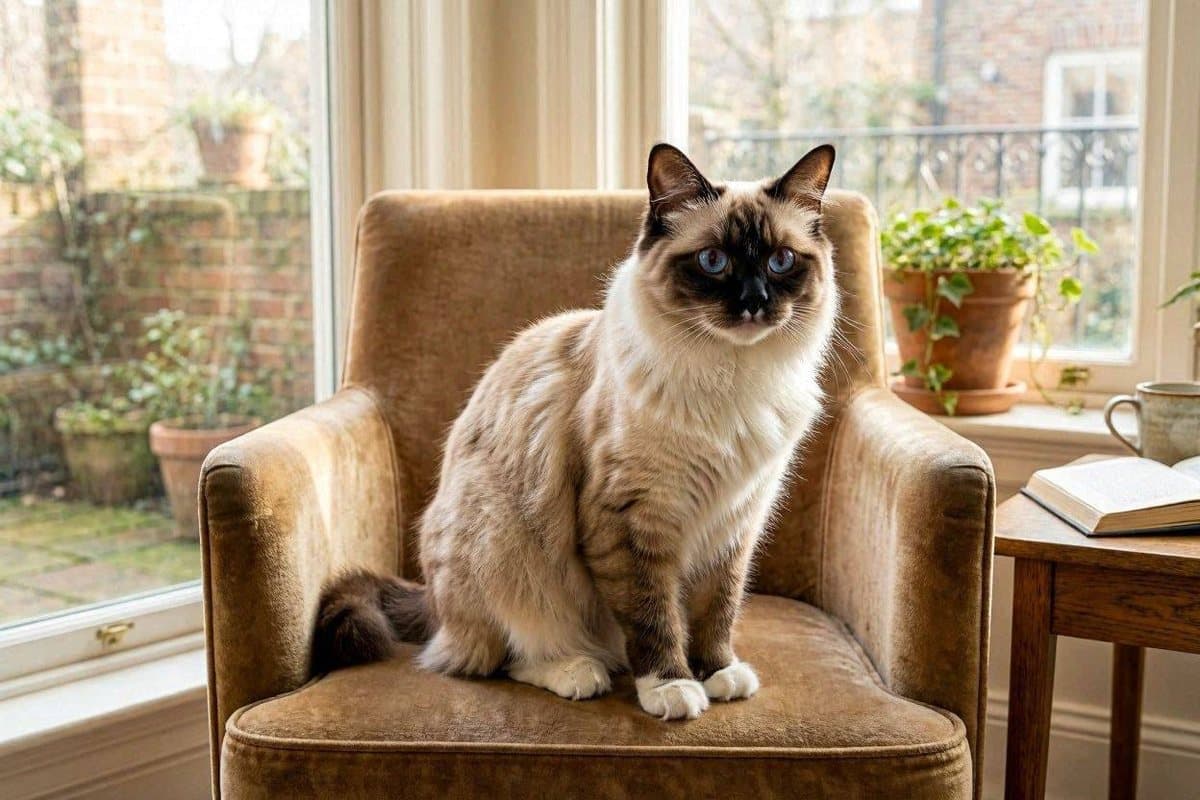
Birman Cat Breed Guide
Birman temperament, gentle social nature, silky coat care, and health considerations for this blue-eyed, white-gloved breed.
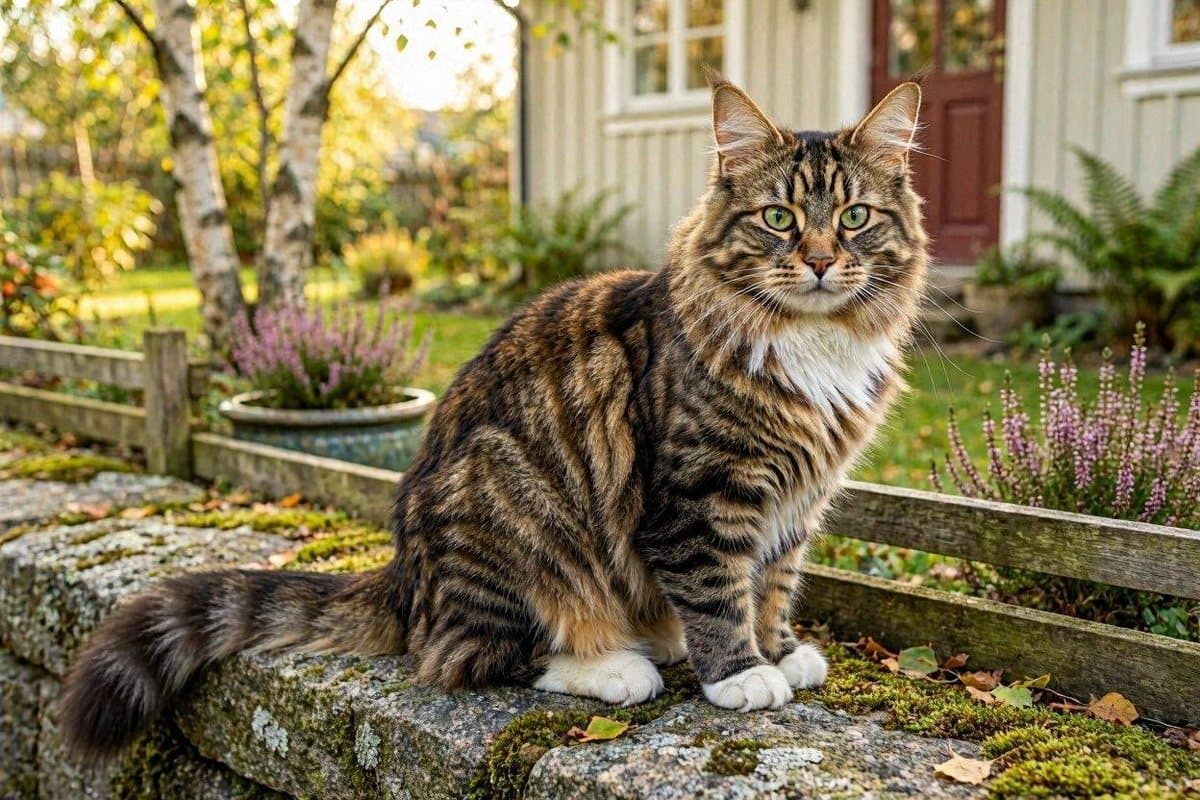
Norwegian Forest Cat Breed Guide
Norwegian Forest Cat temperament, climbing needs, grooming, and health considerations for this large, rugged Nordic breed.
Get one useful pet-care tip a week
No spam, unsubscribe anytime.